.svg)

Detox places significant stress on the body. As substances leave the system, physical changes can occur quickly. While some symptoms may be uncomfortable, others can become dangerous without proper medical oversight.
Two of the most common and serious medical concerns during detox are dehydration and electrolyte imbalance. Both can affect heart function, kidney health, and overall physiological stability if left untreated.
At Las Vegas Recovery Hospital, detox is treated as a medical process. We provide hospital-level care designed to identify and manage these risks early, helping patients stabilize safely during a critical phase of recovery.
How Detox Affects Hydration and Electrolyte Balance
During detox, the body works to rebalance itself after prolonged substance exposure. This process often involves symptoms such as vomiting, diarrhea, sweating, reduced appetite, and increased metabolic demand. Together, these factors can lead to significant fluid loss and disruption of essential minerals.
Electrolytes like sodium, potassium, and magnesium play a critical role in regulating heart rhythm, muscle movement, and nerve signaling. When fluid loss occurs during detox, these electrolytes can fall out of balance, increasing the risk of electrolyte imbalance and related complications.
According to the National Institutes of Health (NIH), electrolyte disturbances are common during acute medical stress and withdrawal, particularly when hydration is not carefully managed.
The Medical Risks of Dehydration and Electrolyte Imbalance During Detox
Dehydration during detox can quickly become a medical emergency. When fluid levels drop, blood volume decreases, placing strain on the cardiovascular system and reducing blood flow to vital organs.
At the same time, electrolyte imbalance can interfere with the body’s electrical signaling. The Cleveland Clinic explains that even small shifts in electrolyte levels can disrupt heart rhythm and neuromuscular function, increasing the risk of cardiovascular instability.
Together, dehydration and electrolyte imbalance may contribute to:
- Worsening cardiac instability and arrhythmias
- Increased risk of acute renal failure, as the kidneys struggle to maintain filtration
- Muscle weakness, cramping, dizziness, or neurological symptoms
According to the Mayo Clinic, dehydration can escalate rapidly and requires prompt medical attention when symptoms persist. Without laboratory monitoring and timely intervention, these conditions can worsen quickly during detox.
The Role of Hospital-Level Care During Detox
Managing dehydration and electrolyte imbalance safely requires medical expertise, diagnostic tools, and continuous monitoring. This is why hospital-level care is critical during detox for individuals at risk of complications.
At Las Vegas Recovery Hospital, patients have access to:
- Ongoing clinical monitoring to assess hydration status and vital signs
- Laboratory testing to identify electrolyte imbalance early
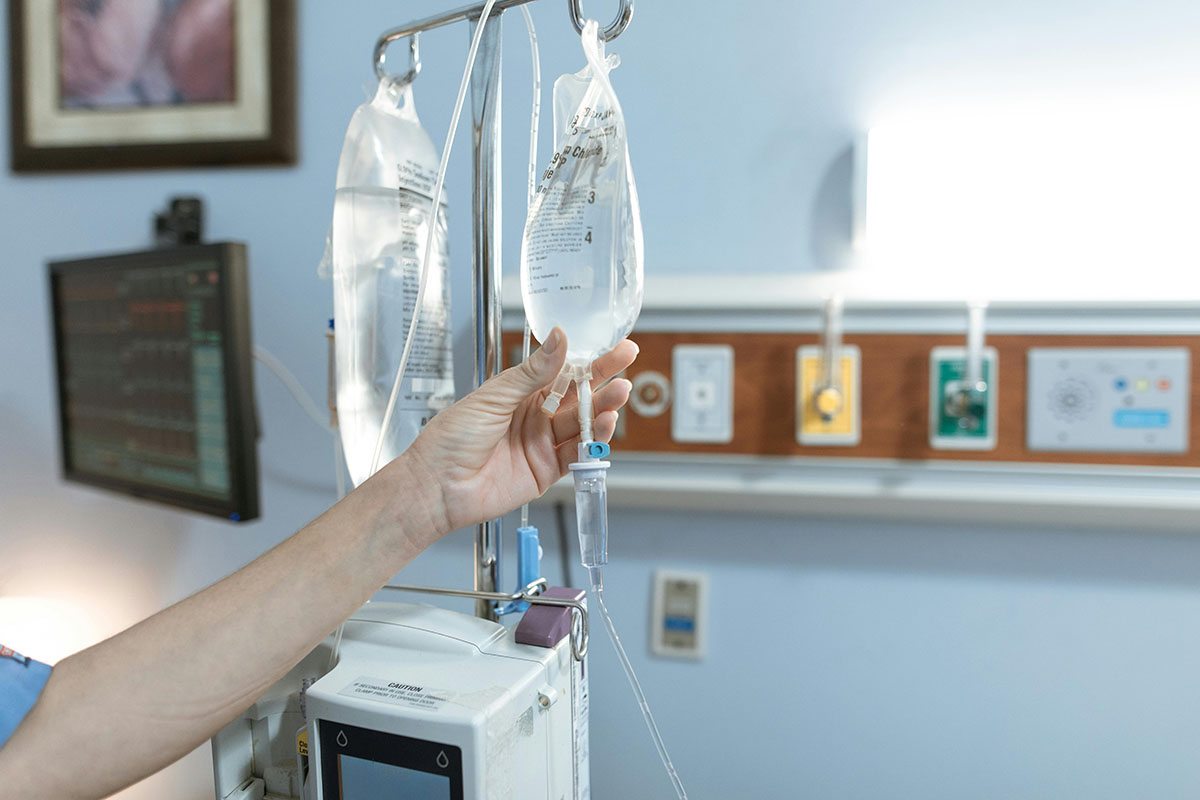
- IV fluids for dehydration when oral intake is insufficient
- Medical adjustments and medical treatments tailored to individual needs
As a licensed Las Vegas rehabilitation hospital, Las Vegas Recovery Hospital bridges acute medical treatment with recovery-focused care, ensuring detox is approached with safety, precision, and compassion.
A Safer Path Through Detox in Las Vegas
Detox is a vulnerable period, and complications such as dehydration and electrolyte imbalance should never be underestimated. With proper medical oversight, these risks can be identified early and managed effectively—helping patients move through detox more safely and comfortably.
If you or a loved one may benefit from care during detox, Las Vegas Recovery Hospital is here to help. To learn more, email [email protected], visit lvrhn.com, or call (702) 941-HOPE to speak with an admissions specialist today.