.svg)

For many people struggling with addiction, seeking help does not happen all at once. It often begins after months or years of physical exhaustion, emotional instability, worsening health conditions, or repeated attempts to stop using alone. By the time someone considers treatment, substance use may already be affecting nearly every part of daily life.
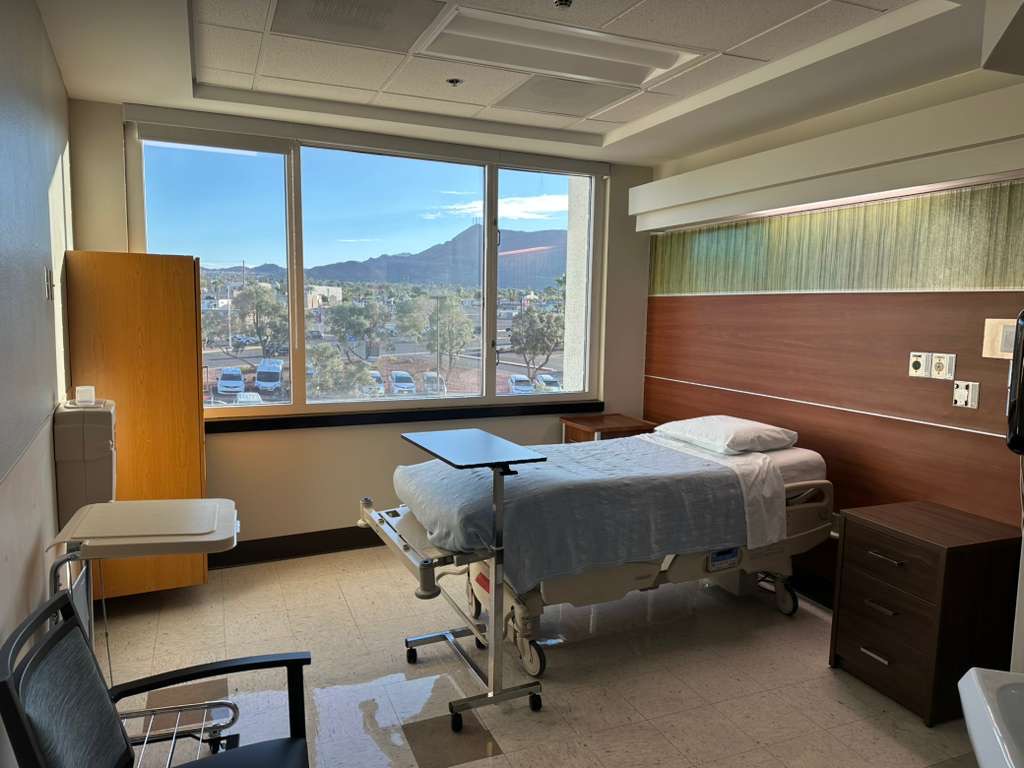
Medical stabilization provides a safe, structured environment where patients can begin recovery under professional supervision. At Las Vegas Recovery Hospital, treatment focuses on helping patients recover physically, emotionally, and mentally.
Signs Someone May Need Medical Stabilization
Medical stabilization is often appropriate when substance use begins affecting a person’s safety, physical health, or ability to function day to day. According to the American Society of Addiction Medicine (ASAM), inpatient treatment is recommended when withdrawal symptoms, medical complications, or psychological risks cannot be safely managed at home.
Some common signs include:
- Repeated relapse or unsuccessful attempts to stop using independently
- Severe drug withdrawal symptoms when substance use decreases
- Heavy alcohol, fentanyl, or benzodiazepine use
- Physical health complications related to substance use
- Increased tolerance or mixing multiple substances
- Mental health concerns such as anxiety, depression, or emotional instability
- Unsafe or unstable living conditions during recovery
For some patients, the physical effects of addiction become impossible to ignore. Kelly, a patient at LVRHN, shared that after years of drinking, he was diagnosed with pancreatitis and later cirrhosis.
“I was kind of told to stop drinking, or it was going to get worse, and I didn’t,” he explained.
Like many individuals struggling with addiction, Kelly described feeling dismissed in other healthcare settings while trying to seek help. He recalled experiences where patients entering detox were often treated as though they were simply looking for a place to stay rather than receiving legitimate medical care.
He says the experience felt different. The staff understood the realities of withdrawal and created an environment centered on compassion, comfort, and support. For patients experiencing serious withdrawal symptoms or medical complications related to substance use, medically supervised inpatient detox creates a safe environment where patients can begin recovery with dignity and support.
Why Inpatient Care Matters
Withdrawal symptoms such as insomnia, anxiety, restlessness, nausea, and discomfort can make detox feel isolating without proper support. This is why a patient-centered approach plays such an important role during this time.
For Kelly, one of the biggest differences at LVRHN was feeling understood during the detox process. “A lot of times people are going to have trouble sleeping because of the withdrawals,” he explained. “This place lets you come into the day room, watch TV, and relax if you can’t sleep or don’t feel well.”
Rather than feeling confined or judged during withdrawal, Kelly described an environment where staff recognized the realities of detox and treated patients with dignity and patience. “They’re really understanding here. I have nothing but good things to say about this place.”
Our services are designed to help patients feel supported throughout the stabilization process. For many, compassionate care can make the difference between leaving treatment early and continuing forward in recovery.
Recovery Begins With Stabilization and Support
Medical stabilization is the first time most begin focusing on their health, safety, and future again. Nicole, another patient at LVRHN, described entering treatment after years of fentanyl and methamphetamine use.
“I realized that I needed help,” she explained. “Without this place and the people, I probably would be dead.”
Before entering treatment, addiction had taken priority over nearly every aspect of her health and well-being. Like many individuals who are struggling with addiction, she described feeling hopeless and uncertain about whether recovery was possible. After beginning treatment, however, she said she finally started to feel relief and hope again.
“I feel like a weight has been lifted off my shoulders,” Nicole said. “I’m 12 days clean, and that’s the longest I’ve been clean in my entire life.”
She emphasized that recovery requires active participation and ongoing support. Attending groups, taking medications as prescribed, engaging honestly with staff, and remaining open throughout all became important parts of rebuilding her life.
Her experience reflects our integrated treatment approach, which combines medical care, emotional support, peer connection, and long-term recovery planning. For patients facing opioid addiction, fentanyl withdrawal, or co-occurring mental health challenges, stabilization creates the opportunity to begin healing in a structured and supportive environment.
Taking the First Step Toward Recovery
For those searching for a rehabilitation center near me, Las Vegas Recovery offers compassionate, medically supervised support for individuals ready to take the first step. To learn more, visit https://www.lvrhn.com/ or contact us today at (702) 941-4673 or [email protected].