.svg)

Xylazine tranq wound infection hospital treatment Las Vegas is a phrase more families are searching for as "tranq" wounds start showing up in the region, and there's a real reason for the concern. Xylazine is a non-opioid sedative made for veterinary use, not people, and it's increasingly turning up mixed into street opioids like fentanyl. It doesn't just sedate the body. It damages skin and tissue in ways regular opioids don't, causing sores that can turn into open wounds, dead tissue, and infections that spread. When a wound like this gets infected or necrotic, meaning the tissue itself is dying, it can outpace what a wound clinic or outpatient program is set up to treat. At that point, what looks like a skin problem is often a whole-body emergency that needs 24-hour hospital-level stabilization.
When Substance Use Moves From Outpatient Care to Hospital-Level Stabilization
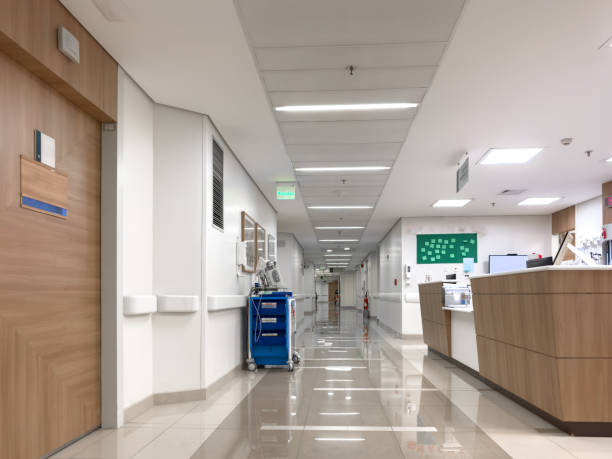
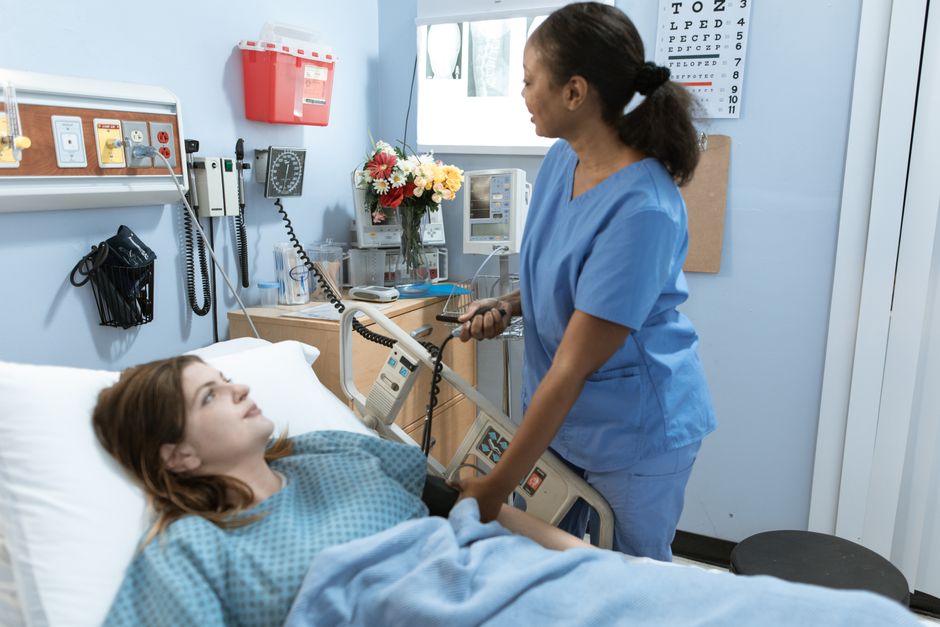
A lot of people picture addiction treatment as one single path: detox, then rehab, then maybe an outpatient program. For many people that path works fine. But some situations call for something more intensive than medical detox, residential treatment, or intensive outpatient care can safely provide. That's what medically-managed acute substance abuse care is for: 24-hour, medically-supervised treatment inside a licensed hospital, with nursing coverage and physician oversight around the clock.
You, or your loved one, might need this level of care if any of the following are true:
- Withdrawal symptoms are severe, unpredictable, or come with a history of complications like seizures.
- There's acute intoxication paired with a medical problem, such as an infected wound, breathing trouble, or an irregular heartbeat.
- A mental health crisis, like suicidal thoughts or psychosis, is happening alongside the substance use.
- Lower-acuity programs have been tried more than once and haven't been able to keep the person stable.
A tranq wound is a good example of how these triggers overlap. The wound itself might have started small, but if it's grown necrotic (the tissue has died) or shows signs of a spreading infection, the body can go into sepsis, a dangerous, whole-body reaction to infection that can affect blood pressure, organ function, and consciousness. Add withdrawal on top of that, and a person's system is fighting two battles at once. That combination usually can't be managed safely with wound care visits and outpatient counseling alone.
What's Actually Happening in the Body
Withdrawal isn't just discomfort. Depending on the substance, the nervous system can swing from being suppressed for a long stretch to suddenly overactive once the substance is gone. That shift can affect heart rate, blood pressure, temperature regulation, and in some cases, trigger seizures. Alcohol and benzodiazepine withdrawal in particular carry a real risk of becoming medically dangerous, sometimes escalating toward a condition called delirium tremens, a severe, potentially life-threatening withdrawal reaction that includes confusion, tremors, and autonomic instability (meaning the body's automatic functions, like heart rate and temperature, stop regulating properly). This is one of the clearest reasons hospital-level monitoring exists: it lets a medical team watch vital signs and intervene quickly if things start moving in a dangerous direction.
When Withdrawal Becomes an Emergency
There's no single moment that applies to everyone, and this isn't something to self-diagnose. But generally, withdrawal becomes an emergency when symptoms stop being manageable with observation and basic supportive care, when vital signs become unstable, or when confusion, hallucinations, or seizures appear. If you've watched someone go through withdrawal before and this time feels different, faster, more intense, or paired with something new like a fever or a wound that's getting worse, that's a signal to get a medical evaluation rather than wait it out.
Different Substances Affect the Body Differently
Opioids, alcohol, stimulants like methamphetamine, and sedatives don't act on the body the same way, so intoxication and withdrawal from each can look completely different. Opioids slow breathing and can cause dangerous drops in oxygen. Stimulants can spike heart rate and blood pressure to the point of chest pain or stroke risk. Alcohol and benzodiazepines carry that withdrawal danger mentioned above. Xylazine adds another layer entirely, since it's not an opioid and doesn't respond the way opioid overdoses do, and its tissue effects create wound care needs that most substances don't. Knowing which substances are involved matters because it changes what a medical team needs to watch for.
How Substance Use Can Worsen Conditions You Already Have
If you're already managing diabetes, heart disease, a seizure disorder, or a chronic infection, substance use doesn't happen in isolation from those conditions. It layers on top of them. Diabetes, for example, already slows wound healing and increases infection risk, so a tranq wound on someone with diabetes can deteriorate much faster than it would otherwise. Heart conditions can be pushed into crisis by the strain stimulants or withdrawal put on the cardiovascular system. A seizure disorder can make alcohol or benzodiazepine withdrawal considerably riskier. None of this is about blame. It's about recognizing that a pre-existing condition changes the math on how much medical oversight someone needs while their body stabilizes.
When Medication Misuse Spikes Into an Acute Medical Need
Not every hospital-level situation starts with illicit drug use. Sometimes it's prescribed medication used outside of how it was prescribed, combining medications that shouldn't be mixed, or running out and substituting something else to avoid withdrawal. Benzodiazepines, opioids, and even some over-the-counter combinations can interact in ways that suppress breathing or destabilize heart rhythm. A pattern like this can escalate quietly, day by day, until a single incident, a fall, an overdose, an unresponsive episode, brings it into acute territory all at once. Hospital-level stabilization exists for exactly these tipping points, when a medical team needs to sort out what's in someone's system and manage the physical fallout safely.
When You're Discharged From the ER but Still Need a Hospital Bed
One of the harder situations families run into is being sent home from an emergency room once someone is no longer in immediate danger, even though they still meet the criteria for ongoing hospital-level care. ERs are built to treat the immediate crisis, stabilize the wound, reverse the overdose, treat the acute infection, and then move the patient along. But stabilizing an emergency isn't the same as being medically stable enough to safely manage withdrawal or a co-occurring psychiatric issue in a lower-acuity setting. If a person is discharged and then can't get into a rehab bed, or a program says it can't accept someone with an infected wound or unresolved medical needs, that gap is real and it's dangerous. Las Vegas Recovery Hospital exists specifically to fill that space, offering 24-hour medically-supervised care for people whose condition can't yet be safely managed outside a hospital.
Once someone is medically stable, meaning their vital signs, withdrawal symptoms, and any acute medical complications are under control, the typical next step is moving to a lower-acuity level of care like residential treatment or an intensive outpatient program. That step-down isn't a failure of the hospital stay. It's the plan working the way it's supposed to.
If you're trying to figure out whether a wound, a withdrawal pattern, or a mental health crisis has crossed into hospital territory, you don't have to figure it out alone. A clinical evaluation can sort out what level of care actually fits the situation, and reaching out is a reasonable first step even if you're not sure yet.
This content is for educational purposes only and is not a substitute for professional medical advice. If you or someone you know is in crisis, call 988 or your local emergency number.
To talk with our admissions team, reach out here or call (702) 941-4673. If you or someone you know is in crisis, call or text 988 anytime.