.svg)

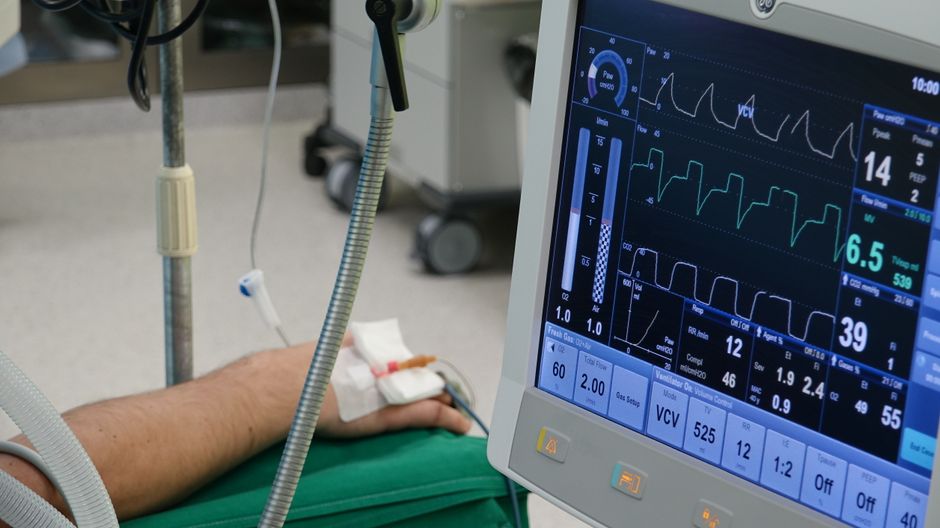
Synthetic marijuana overdose treatment in Las Vegas typically happens in two stages: emergency care first, then a period of hospital-level monitoring while the body clears the chemicals and the mind steadies. Emergency departments are built to handle the immediate crisis, a seizure, a dangerously fast heartbeat, a violent panic. What they aren't built for is the hours or days of careful observation that often follow. That's the gap Las Vegas Recovery Hospital fills for people across North Las Vegas and the greater valley.
What does synthetic marijuana overdose treatment in Las Vegas involve?
It usually means two connected but distinct stops in the care system. First, an emergency department stabilizes the immediate danger, then a licensed hospital provides 24-hour medically supervised care until the person is stable enough to move into an addiction treatment program.
Synthetic cannabinoids, sold as K2, Spice, or mixed into unregulated THCA and Delta-8 vape cartridges, aren't actually related to the cannabis plant chemically. According to the National Institute on Drug Abuse (NIDA), these are lab-made compounds sprayed onto plant material or dissolved into vape liquid, and they attach to the same brain receptors as THC but often produce much stronger and far more unpredictable effects. That unpredictability is exactly why the reaction can look mild in one person and turn into a medical emergency in another, sometimes from product marketed the same way at the same store.
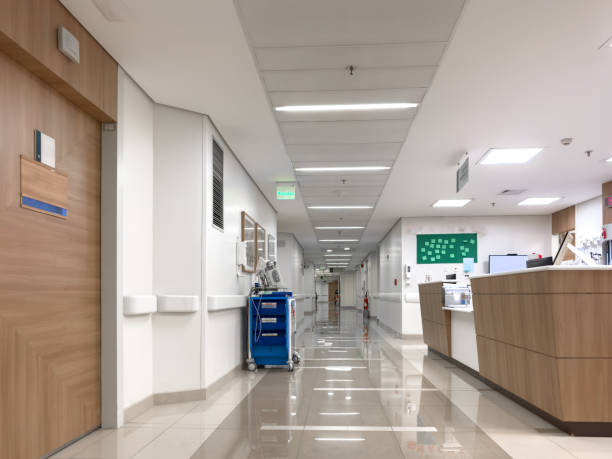
Las Vegas Recovery Hospital is a licensed acute inpatient hospital, not an emergency room and not a rehab facility. It exists specifically to manage the medical fallout of substance use, things like a racing heart that won't settle, withdrawal-related seizures, or a lingering psychotic episode, once the ED has done its job and the person needs a longer runway of monitoring before stepping down to a lower level of care.
Why are synthetic cannabinoids showing up in the Las Vegas area again?
Nevada has been tightening rules around unregulated hemp-derived products, and retailers are adjusting their shelves ahead of new state restrictions taking effect in 2026. As legal, tested hemp products face tighter oversight, some smoke shops and gas stations have quietly gone back to selling synthetic cannabinoid products that aren't tested, labeled, or regulated at all.
These products often get marketed under the same "THCA" or "Delta-8" branding people have grown used to seeing, which makes it hard to know what's actually in the package. A vape or gas station product can be cut with synthetic cannabinoids without any indication on the label. That mismatch between what's advertised and what's actually inhaled is a big part of why ED visits for severe reactions tend to spike whenever these products resurface in a market.
What happens step by step during hospital-level stabilization?
The process generally moves through a handful of predictable phases, even though every person's timeline looks a little different. Here's a general walkthrough of what that stretch of care tends to look like.
1. Emergency response and initial stabilization
EMS or an emergency department responds first, typically because someone is showing agitation (extreme restlessness or aggression), a rapid heart rate, seizure activity, or signs of psychosis, meaning a break from reality that can include hallucinations, paranoia, or disorganized thinking. The ED's job is to protect the airway, control any seizure, calm the heart rhythm, and rule out other causes like a heart attack, stroke, or another drug's involvement.
2. Transfer to a hospital that can provide extended monitoring
Once the immediate danger has passed, some people are medically ready to go home, but others still need 24-hour physician and nursing coverage because their agitation, cardiac symptoms, or psychiatric state hasn't fully settled. That's when a transfer to a facility like Las Vegas Recovery Hospital happens, moving from crisis care into what's called hospital-level stabilization, meaning ongoing medical supervision in a licensed hospital setting rather than a short ED visit or a lower-acuity program.
3. Monitoring the body through the acute phase
This stage is about watching the body closely while the synthetic chemicals work their way out of the system. Nursing staff track heart rhythm, blood pressure, and hydration status, since synthetic cannabinoids can cause the heart to beat irregularly or too fast for an extended stretch. Physicians and psychiatrists also watch for ongoing psychiatric symptoms, since psychosis from these products can persist well past the point where the physical symptoms calm down, and it sometimes needs its own course of treatment before it resolves.
4. Riding out the comedown
The comedown after a severe reaction to synthetic cannabinoids can be its own confusing experience, separate from the acute high. People often describe exhaustion, anxiety, low mood, and a kind of mental fog or disorientation that can last longer than expected. Because these products vary so much from batch to batch, there's no reliable way to predict how long this phase will last, which is part of why medical staff stay involved rather than sending someone home the moment the acute symptoms fade.
5. Deciding on the right next level of care
Once vital signs are steady and any psychiatric symptoms have settled enough to be managed safely outside a hospital, the team starts planning the step down. Social workers and case managers look at whether the person needs medically managed detox, a residential rehab program, or an intensive outpatient program, and they coordinate the actual handoff so nobody leaves without a plan.
What happens after the acute medical crisis passes?
After stabilization, the focus shifts from crisis management to building a realistic path forward. Case managers work on practical needs like housing, insurance verification, and transportation, while certified peer recovery specialists, people with their own lived experience of recovery, offer support that doesn't feel clinical or judgmental.
Some people are stepped down to a program that specializes in medically managed detox if withdrawal from another substance is also part of the picture. Others move directly into outpatient or residential addiction treatment once their medical situation is under control. The goal throughout is matching each person to the lowest level of care that's actually safe for them, not keeping anyone in a hospital bed longer than medically necessary.
Peer support and case management continue to matter even after someone leaves the building. A peer support specialist or a case manager can help someone stay connected to follow-up appointments and community resources, which matters a lot for a substance where the supply itself is inconsistent and hard to predict.
If you want a broader look at how a hospital stay unfolds from admission to discharge, the what to expect page walks through the general process, and the full services overview covers everything from acute inpatient care to wound care for people managing co-occurring medical conditions.
Frequently asked questions
Is synthetic marijuana more dangerous than regular cannabis?
Synthetic cannabinoids can affect the body far more unpredictably than natural cannabis because they're lab-made chemicals that bind more strongly to brain receptors and vary widely between batches. Reactions can include seizures, dangerously fast heart rates, and psychosis, none of which are typical outcomes with regulated cannabis products.
How do I know if someone needs the ER or can just ride it out at home?
Seizures, chest pain, difficulty breathing, loss of consciousness, or a severe psychotic episode always warrant an emergency response rather than waiting it out. If you're unsure, calling 911 or going to the nearest emergency department is always the safer choice, since these products can affect the heart and brain in ways that aren't visible from the outside.
Does Las Vegas Recovery Hospital treat people for synthetic marijuana use directly?
Las Vegas Recovery Hospital provides hospital-level stabilization for people whose medical or psychiatric condition, including reactions to synthetic cannabinoids, needs 24-hour physician and nursing oversight after emergency care. It is not an emergency department and not a rehab facility, but the bridge between the two once someone is medically ready for that level of monitoring.
How long does the comedown from synthetic marijuana last?
There's no fixed timeline, since synthetic cannabinoid products vary batch to batch and person to person. Some people feel back to baseline within a day, while others experience anxiety, low mood, or mental fog for longer, which is one reason medical staff prefer to monitor the situation rather than guess at when it will resolve.
What happens after someone is medically stable and ready to leave?
Once vital signs and psychiatric symptoms are stable, the care team works with the person on a discharge plan that fits their situation, whether that's medically managed detox, residential treatment, or outpatient care. Case managers and peer recovery specialists help coordinate that handoff so the person doesn't leave without a next step in place.
This content is for educational purposes only and is not a substitute for professional medical advice. If you or someone you know is in crisis, call 988 or your local emergency number.
To talk with our admissions team, start the admissions process here or call (702) 941-4673. If you or someone you know is in crisis, call or text 988 anytime.