.svg)


Meth and cocaine speed up nearly every system in your body at once. Your heart rate climbs, your blood vessels tighten, and your blood pressure can spike within minutes of use. Most of the time this passes without lasting harm, but sometimes it doesn't. Chest pain, a racing or irregular heartbeat, or a blood pressure reading high enough to count as a hypertensive crisis (a sudden, severe spike in blood pressure that can strain the heart and other organs) are medical emergencies, not something to wait out at home. This is exactly why stimulant-induced cardiac emergency hospital treatment in Las Vegas exists: not as a punishment or a last resort, but as the level of medical monitoring your body genuinely needs in that moment.
When Your Body Tells You Lower-Acuity Care Isn't Enough
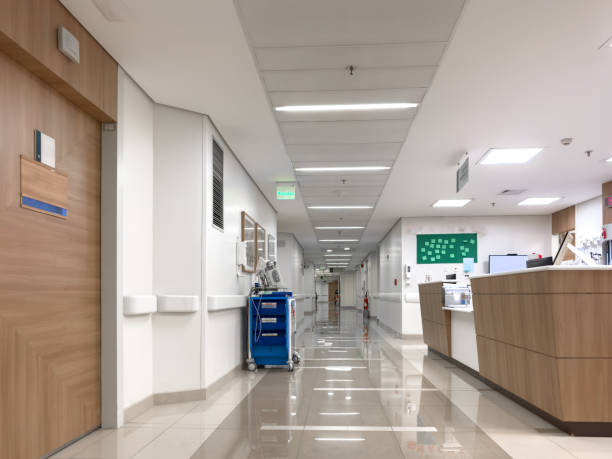
A lot of people picture addiction treatment as a single path: detox, then rehab, then outpatient support. For many people that path works fine. But some situations call for something more immediate: 24-hour medically-supervised care in a licensed hospital, with nursing coverage and a physician overseeing your treatment around the clock. This is often called hospital-level stabilization, and it's meant for people whose withdrawal risk or medical condition can't be safely managed in a detox facility, residential program, or outpatient setting.
How do you know you've crossed that line? A few patterns tend to show up. You might have chest pain, heart palpitations, or shortness of breath that started during or after using a stimulant like meth or cocaine. You might have a personal or family history of heart disease that makes any cardiac symptom riskier. You might have already tried outpatient treatment or a residential program and found yourself back in crisis within days or weeks, not because you weren't trying, but because your body or mind needed more support than that setting could offer. Repeated failed attempts at lower-acuity care are themselves a clinical signal, not a personal failure.
Biologically, what's happening is that stimulants force your cardiovascular system into overdrive. Your heart works harder, your arteries constrict, and your blood pressure rises. In someone with an already vulnerable heart, or after heavy or repeated use, this can tip into arrhythmia (an irregular heartbeat) or acute chest pain that needs immediate cardiac evaluation. On the other end, withdrawal from substances like alcohol or benzodiazepines can also become dangerous, sometimes causing seizures or severe autonomic instability (unpredictable swings in heart rate, blood pressure, and body temperature) that require hospital-level monitoring to manage safely. Withdrawal becomes a medical emergency when your vital signs become unstable, when you're at risk of seizure, or when a co-occurring condition, whether cardiac, psychiatric, or otherwise, makes it unsafe to manage symptoms outside a hospital. A psychiatric crisis alongside intoxication or withdrawal, such as severe agitation, paranoia, or suicidal thoughts, is another clear trigger for hospital-level care. None of this reflects a lack of willpower. It reflects the reality that your body and brain are under acute physiological stress and need medical support to get through it safely.
Different Substances, Different Risks to Your Heart and Body
Stimulants like methamphetamine and cocaine affect the cardiovascular system directly, raising heart rate and blood pressure and sometimes causing chest pain or irregular rhythms even in people with no prior heart issues. Opioids suppress breathing and can slow the heart rate to dangerous levels, especially when combined with other sedatives. Alcohol and benzodiazepines carry their own withdrawal risks, since the body adapts to their presence and can react strongly when they're removed suddenly. Each substance interacts with your body differently, and combining substances, which is common, tends to multiply the risk rather than simply add to it. A stimulant paired with alcohol, for example, can mask some of the warning signs your body would otherwise give you, which is part of why medical evaluation matters so much in these situations.
How Drugs Collide With Conditions You Already Have
If you already live with high blood pressure, a heart arrhythmia, diabetes, asthma, or a mental health condition like anxiety or bipolar disorder, stimulant or alcohol use doesn't just add a separate problem on top. It interacts with what's already there. A heart that's already working harder than it should due to existing disease has less capacity to absorb the extra strain that meth or cocaine puts on it. Blood sugar regulation can become harder to manage during heavy substance use, and psychiatric symptoms can intensify, sometimes dramatically, when substances are introduced or withdrawn. This is one of the main reasons hospital-level care matters for some patients and not others with a seemingly similar substance use history. The substance is only part of the picture. What it does to a body or mind that already has less reserve to draw on is often the deciding factor.
When Medication Misuse Quietly Builds Toward a Crisis
Not every hospital-level cardiac emergency starts with an illicit drug. Prescribed stimulant medications, certain decongestants, or other medications can push someone toward a similar crisis when they're used in ways that weren't intended, whether that's taking more than prescribed, combining medications without medical guidance, or using someone else's prescription. This kind of misuse doesn't always look dramatic at first. It can build gradually, through a pattern of taking a little extra here and there to manage stress, fatigue, or difficult emotions, until the cumulative effect on the heart or nervous system becomes acute. Recognizing this pattern early, and understanding that it's a medical issue rather than a moral one, is part of what makes seeking evaluation easier rather than harder.
When the ER Discharges You, But the Underlying Need Remains
Emergency rooms are built to stabilize immediate, life-threatening symptoms. Once your heart rate and blood pressure return to a safer range and acute chest pain resolves, an ER may discharge you, even if the underlying substance use disorder and its risks haven't been addressed at all. This can leave patients and families in a frustrating gap: medically stable enough to leave the ER, but still meeting the clinical criteria for hospital-level substance abuse care, and sometimes unable to access residential treatment right away due to bed availability, insurance authorization delays, or a program's inability to manage ongoing medical risk. If this happens to you or someone you love, it doesn't mean the concern wasn't real. It means the type of care needed extends beyond what a single ER visit is designed to provide. Las Vegas Recovery Hospital is built specifically to bridge that gap, offering medically-managed acute substance abuse care for patients who need ongoing physician oversight and nursing supervision until they're stable enough to safely step down to a lower level of care, such as residential treatment or an intensive outpatient program.
This content is for educational purposes only and is not a substitute for professional medical advice. If you or someone you know is in crisis, call 988 or your local emergency number.
To talk with our admissions team, reach out here or call (702) 941-4673. If you or someone you know is in crisis, call or text 988 anytime.