.svg)


Prescription medication misuse escalates into a medical emergency when the body can no longer tolerate what's being asked of it, whether that's a dose far above what was prescribed, a dangerous combination of medications, or alcohol added on top of a sedating drug. The result can be organ strain, unsafe withdrawal, or intoxication severe enough that a standard detox program or outpatient clinic isn't equipped to manage it safely. When that happens, a person may need 24-hour, medically-supervised care in a licensed hospital until their body is stable enough to move to a lower level of care.
This is general health education, not a diagnosis of anyone's situation. If you're worried about your own medication use or someone else's, the right next step is always a conversation with a physician or a licensed treatment provider.
What counts as prescription medication misuse?
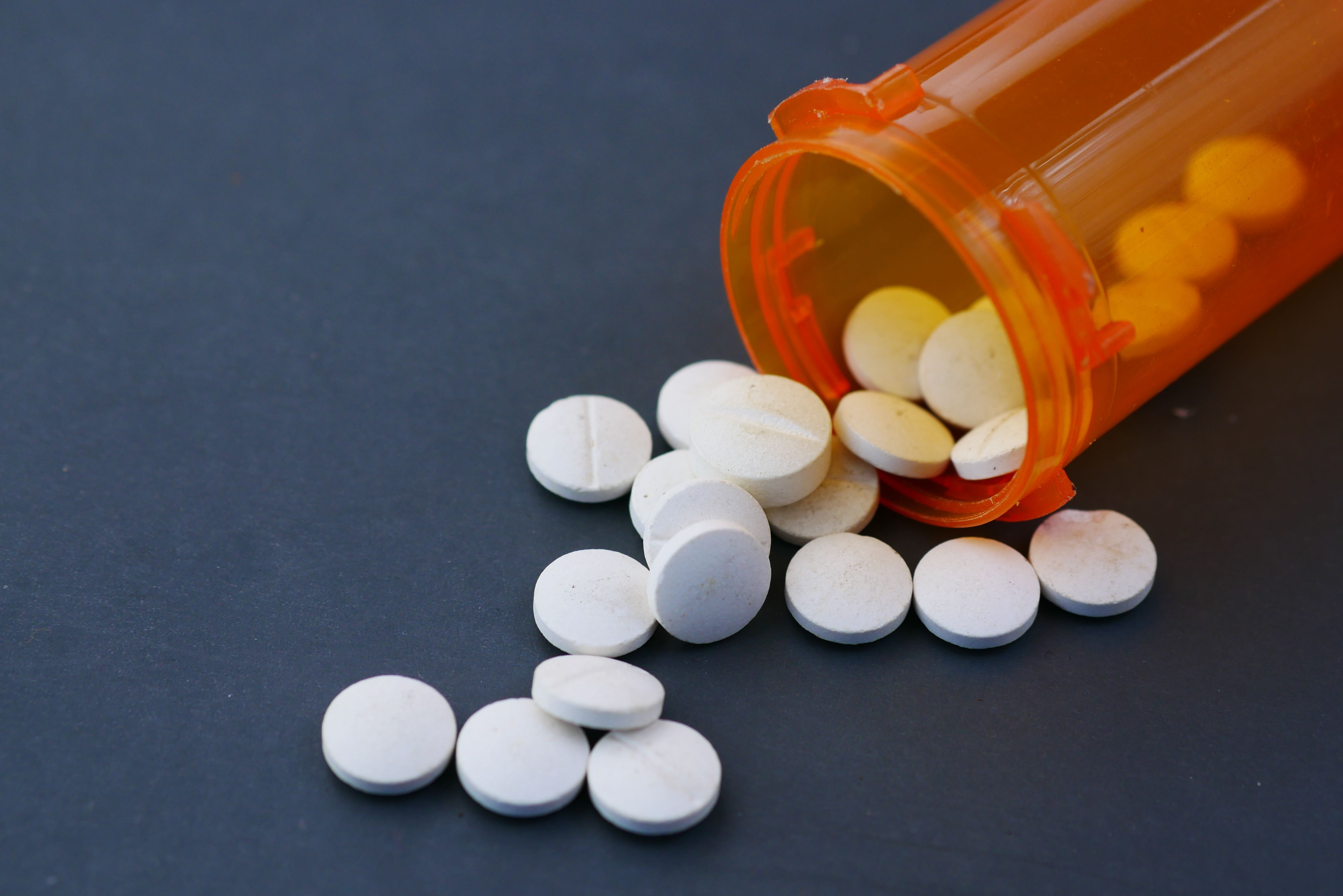
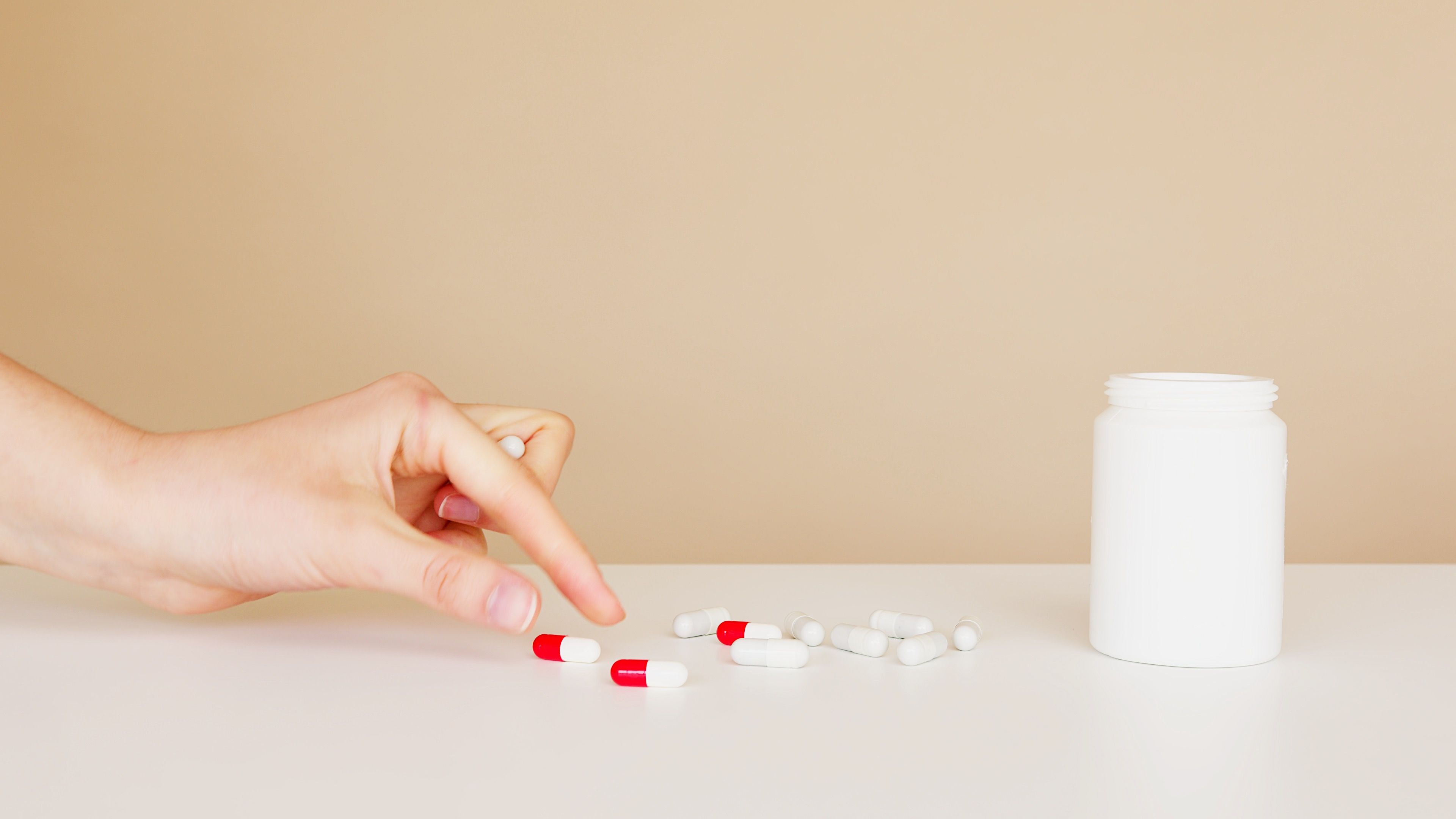
Prescription medication misuse means taking a medication in a way other than how it was prescribed. That includes taking more than the prescribed amount, using someone else's medication, or continuing a medication after the medical reason for it has ended.
It's a broader category than most people assume. A few common patterns include:
- Taking a higher dose than a doctor prescribed, or taking doses closer together than instructed
- Using a friend's or family member's leftover opioid or benzodiazepine prescription
- Combining two or more prescription medications without checking with a pharmacist or physician first
- Drinking alcohol while taking a sedating medication, even occasionally
None of these patterns are moral failures. They're often the result of pain that isn't well controlled, sleep that won't come, anxiety that feels unmanageable, or a body that has developed tolerance faster than a prescription was adjusted for. Understanding how misuse happens is the first step toward understanding how it can turn into a medical crisis.
Why is mixing medications and alcohol so dangerous?
Mixing sedating medications with alcohol multiplies their effect on the central nervous system, the part of the body that controls breathing and heart rate. Two substances that seem manageable on their own can slow breathing to a dangerous level when combined.
Medications like benzodiazepines (drugs prescribed for anxiety or sleep, such as alprazolam or lorazepam), opioids (prescribed for pain), and muscle relaxants all depress the central nervous system to some degree. The National Institute on Drug Abuse (NIDA) notes that combining central nervous system depressants with alcohol raises the risk of slowed or stopped breathing, because the substances don't just add together, they compound each other's effect on the brainstem. This is one reason mixing medications with alcohol is treated as a distinct medical risk, separate from either substance alone.
Some combinations also stress the liver or kidneys over time, since those organs are responsible for processing most medications and alcohol out of the bloodstream. Repeated strain can contribute to liver disease, kidney dysfunction, or fluid and electrolyte imbalances that eventually require hospital-level correction.
What are the medical warning signs that escalation is happening?
Warning signs usually show up as changes in breathing, alertness, or physical function rather than as a single dramatic event. Confusion, slowed or labored breathing, chest pain, unexplained swelling, or a wound that won't heal are all signals that the body is struggling, not just the mind.
Other signs to take seriously include yellowing of the skin or eyes (a possible sign of liver dysfunction), seizures, tremors, or a fever that comes with an injection site infection or abscess. People who inject medications or drugs are also at risk for complex wounds, including skin infections that can progress to something more serious. LVRH's wound care services exist specifically because injection-related wounds and infections are a common medical consequence that families in the Las Vegas valley don't always expect.
When does medication misuse become a hospital-level emergency?
Medication misuse becomes a hospital-level emergency when withdrawal risk is dangerous, intoxication has caused a medical complication, a psychiatric crisis is happening alongside it, or lower-acuity care has already been tried without success. These are the situations where 24-hour physician and nursing oversight isn't a preference, it's a safety requirement.
Withdrawal from alcohol or benzodiazepines deserves particular attention. Unlike withdrawal from some other substances, withdrawal from alcohol or benzodiazepines can become medically dangerous, sometimes involving seizures or a severe confusional state known as delirium tremens. This is general education, not a prediction of what will happen to any individual, but it's why medically-managed acute substance abuse care exists as a distinct level of treatment.
Acute intoxication with medical complications, such as breathing that has become dangerously slow, an irregular heartbeat, or a person who is unresponsive to normal stimulation, also calls for hospital-level stabilization. So does a co-occurring psychiatric crisis, where suicidal thoughts, severe agitation, or psychosis show up alongside substance use. And sometimes the trigger is simpler: a person has already tried detox or residential rehab more than once, and their body needs more medical support than those settings can provide.
What does hospital-level stabilization actually involve?
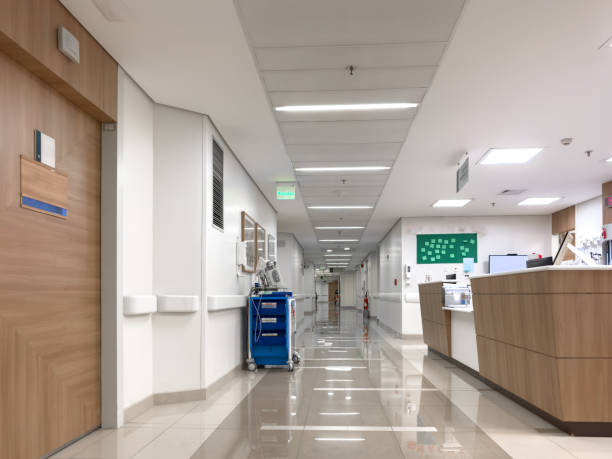
Hospital-level stabilization means treating the medical complications of substance use, alongside acute withdrawal management, in a licensed hospital with physicians and nurses available around the clock. At Las Vegas Recovery Hospital, that team includes addiction-certified physicians, nurse practitioners, psychiatrists, social workers, and certified peer recovery specialists working together.
This is different from an emergency department, which stabilizes the immediate crisis and moves on, and different from a rehab, which is built for people who are already medically stable. LVRH sits in between the two. Care might include acute inpatient medical care for infections, organ dysfunction, or respiratory and cardiac complications, combined with medically managed detox and support from a peer recovery specialist who understands the experience firsthand. Once a person is medically stable, the team typically helps them step down to a lower level of care, such as residential rehab, outpatient treatment, or continued detox in a less intensive setting.
How does someone in the Las Vegas valley actually get admitted?
Admission usually starts with a referral from an emergency department, a primary care provider, a detox or rehab program, or a direct call from the person or their family. LVRH's admissions team walks callers through what happens next, including a review of medical history and current symptoms to determine whether hospital-level care is the right fit.
You don't need to have every detail figured out before you call. The admissions process is designed to be a conversation, not a screening test, and the team can explain what a typical stay looks like once they understand the situation. Insurance benefits are verified by the admissions team directly, so it's best to have insurance information ready, but no stay or coverage is ever guaranteed in advance.
Length of stay depends entirely on medical need and is determined by the treating physician, not by a fixed schedule. Case management is involved early, so that when a person is ready to step down, there's already a plan for what comes next, whether that's a detox program, residential treatment, or outpatient care. LVRH's case management services coordinate that transition so families aren't left figuring it out alone.
Frequently asked questions
Do I need a doctor's referral to be admitted?
Not necessarily. Referrals often come from an emergency department, a primary care provider, or a detox or rehab program, but families and individuals can also call LVRH's admissions team directly to start the conversation. The team will ask about medical history and current symptoms to help determine the right level of care.
Will my insurance cover a stay?
The admissions team verifies insurance benefits directly with your provider before or during the admission process. No stay or level of coverage can be promised in advance, so it's best to have your insurance information ready and ask the admissions team to check your specific benefits.
What should I bring for an inpatient stay?
Bring a photo ID, your insurance card, a list of current medications with dosages, and any recent medical records if you have them. Comfortable clothing and personal toiletries are usually fine, though the admissions team can tell you about any specific restrictions when you call.
How long does a stay usually last?
There's no fixed length of stay, because it depends on the medical complications being treated and how a person responds to care. A treating physician reassesses progress daily and determines when someone is stable enough to move to a lower level of care, such as detox, residential rehab, or outpatient treatment.
What happens after I'm discharged?
Case management works with you before discharge to arrange the next step, which might be a detox program, residential treatment, intensive outpatient care, or another appropriate setting. The goal is a coordinated handoff, so you're not leaving the hospital without a plan already in place.
Is this the same as going to the emergency room?
No. An emergency department stabilizes an immediate crisis and typically discharges once that's resolved, while Las Vegas Recovery Hospital provides ongoing hospital-level care for medical complications tied to substance use, including withdrawal management, until a person is stable enough for rehab or outpatient treatment.
[Medically reviewed by: NAME, CREDENTIALS - insert reviewer and date before publishing]
This content is for educational purposes only and is not a substitute for professional medical advice. If you or someone you know is in crisis, call 988 or your local emergency number.
To talk with our admissions team, start the admissions process here or call (702) 941-4673. If you or someone you know is in crisis, call or text 988 anytime.