.svg)


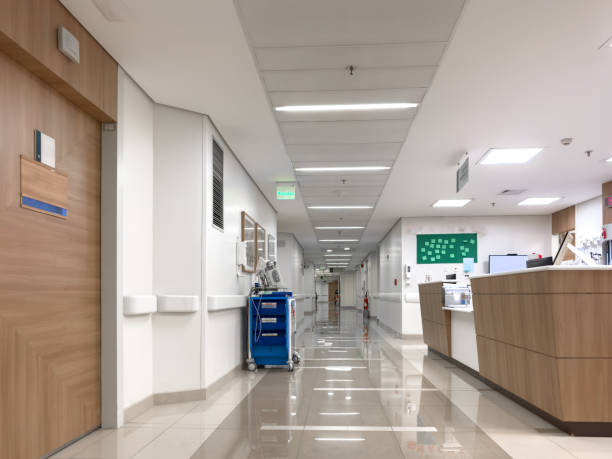
If your loved one needed several doses of naloxone just to start breathing again, or a drug screen came back clean despite an obvious overdose, you're not imagining things. This is the reality behind nitazene overdose treatment Las Vegas families are increasingly having to find fast. Nitazenes are a class of synthetic opioids, some far more potent than fentanyl, that are turning up in counterfeit pills and street opioids across the country. They can resist standard reversal doses and slip past routine toxicology testing, which means the person in front of you may be sicker than the numbers suggest. When that happens, a lower-acuity program isn't enough. What's needed is 24-hour medically-supervised care in a licensed hospital, where physicians and nursing staff can watch for complications that a detox facility or outpatient clinic simply isn't equipped to manage.
When Patients Qualify for Higher-Acuity Substance Abuse Care
A lot of people picture addiction treatment as one thing: you go to rehab, you detox, you're done in a month. In reality, care exists on a spectrum. Medical detox, residential treatment, and intensive outpatient programs (structured treatment where you attend several hours of care a day but sleep at home) work well for a large number of people. But some situations move past what those settings can safely handle, and that's when hospital-level stabilization becomes the right call, not a last resort.
A few patterns tend to signal that shift. One is dangerous withdrawal risk. Withdrawal from alcohol or benzodiazepines (a class of sedative medications that includes drugs like diazepam or alprazolam) can, in some cases, become medically dangerous, involving seizures, severe blood pressure swings, or confusion that puts a person at real physical risk. This isn't true of every withdrawal, and it isn't something you can predict from the outside. It depends on someone's history, how long and heavily they've been using, and what else is going on in their body.
A second pattern is acute intoxication with medical complications: an overdose that involves breathing problems, chest pain, an irregular heartbeat, or a level of confusion that doesn't clear up once the immediate danger has passed. With nitazene-contaminated opioids specifically, this can show up as repeated high-dose naloxone administration just to restore breathing, followed by sedation returning once the medication wears off. That kind of rebound effect, sometimes paired with a toxicology screen that doesn't detect the substance at all because standard panels weren't built to catch it, is exactly the kind of medical complexity that needs continuous monitoring rather than a quick discharge.
A third trigger is a co-occurring psychiatric crisis, meaning active suicidal thoughts, severe depression, or psychosis happening alongside substance use. Treating the addiction alone while ignoring an active mental health emergency, or the reverse, tends to fail both problems. The fourth pattern is simpler to describe but just as important: repeated failed placements at lower-acuity programs. If someone has been through detox or residential care more than once recently and it hasn't held, that's not a personal failure. It's usually a sign that the level of care wasn't matched to the level of medical or psychiatric need.
Biologically, what's happening during this kind of escalation is your body losing its ability to regulate itself. Heart rate, blood pressure, breathing, and brain chemistry are all interconnected, and heavy substance use disrupts the systems that normally keep them balanced. When withdrawal or intoxication pushes those systems too far, a lower-acuity setting without round-the-clock nursing and physician oversight can't respond quickly enough if something goes wrong. Hospital-level stabilization exists specifically for that window, until you're medically stable enough to safely step down to a lower level of care.
How Different Substances Affect the Body
Different drugs create different medical pictures, and that shapes what kind of care is appropriate. Opioids, including nitazenes, fentanyl, and prescription pain medications, slow down breathing and heart rate, which is why overdose is so often about respiratory failure. Stimulants like methamphetamine or cocaine push heart rate and blood pressure up, which can strain the cardiovascular system and, in some cases, trigger chest pain or heart rhythm problems. Alcohol and benzodiazepines depress the central nervous system, and withdrawal from either can involve the kind of medically dangerous symptoms mentioned earlier. Combining substances, which happens more often than people realize, layers these effects on top of each other in ways that are hard to predict and harder to manage outside a hospital setting.
How Substance Use Can Worsen Existing Medical Conditions
Substance use doesn't happen in a vacuum. If you already live with heart disease, asthma, diabetes, or a mental health condition like bipolar disorder, drugs and alcohol can push those conditions into crisis. Opioids depress breathing in someone who already has limited lung capacity. Stimulants stress a heart that's already working overtime. Alcohol interacts with blood sugar in ways that can be dangerous for people managing diabetes. This is part of why acute intoxication so often turns into a medical emergency rather than something that resolves on its own: the substance isn't just affecting the brain, it's interacting with whatever else your body is already managing.
When Medication Misuse Escalates Quickly
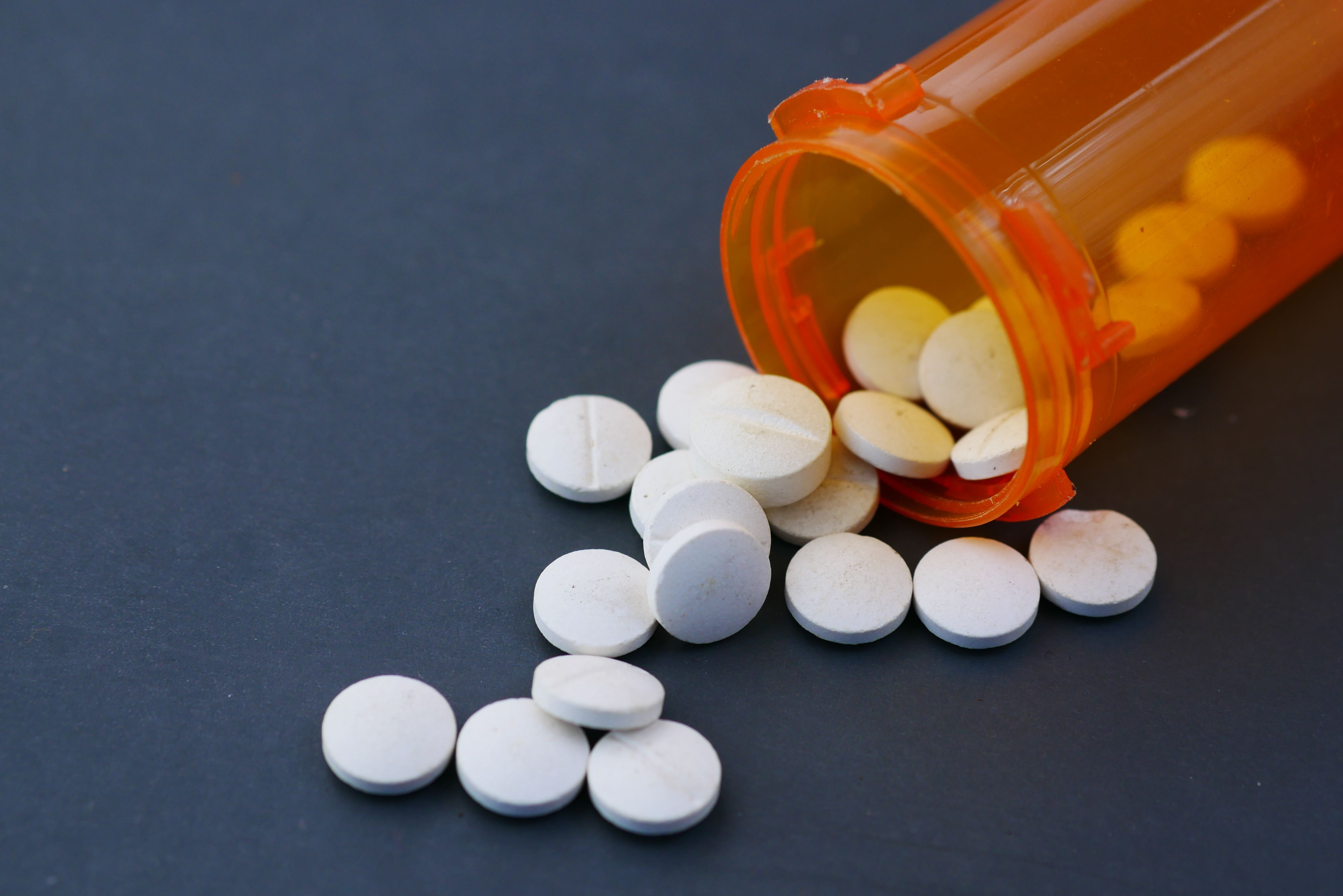
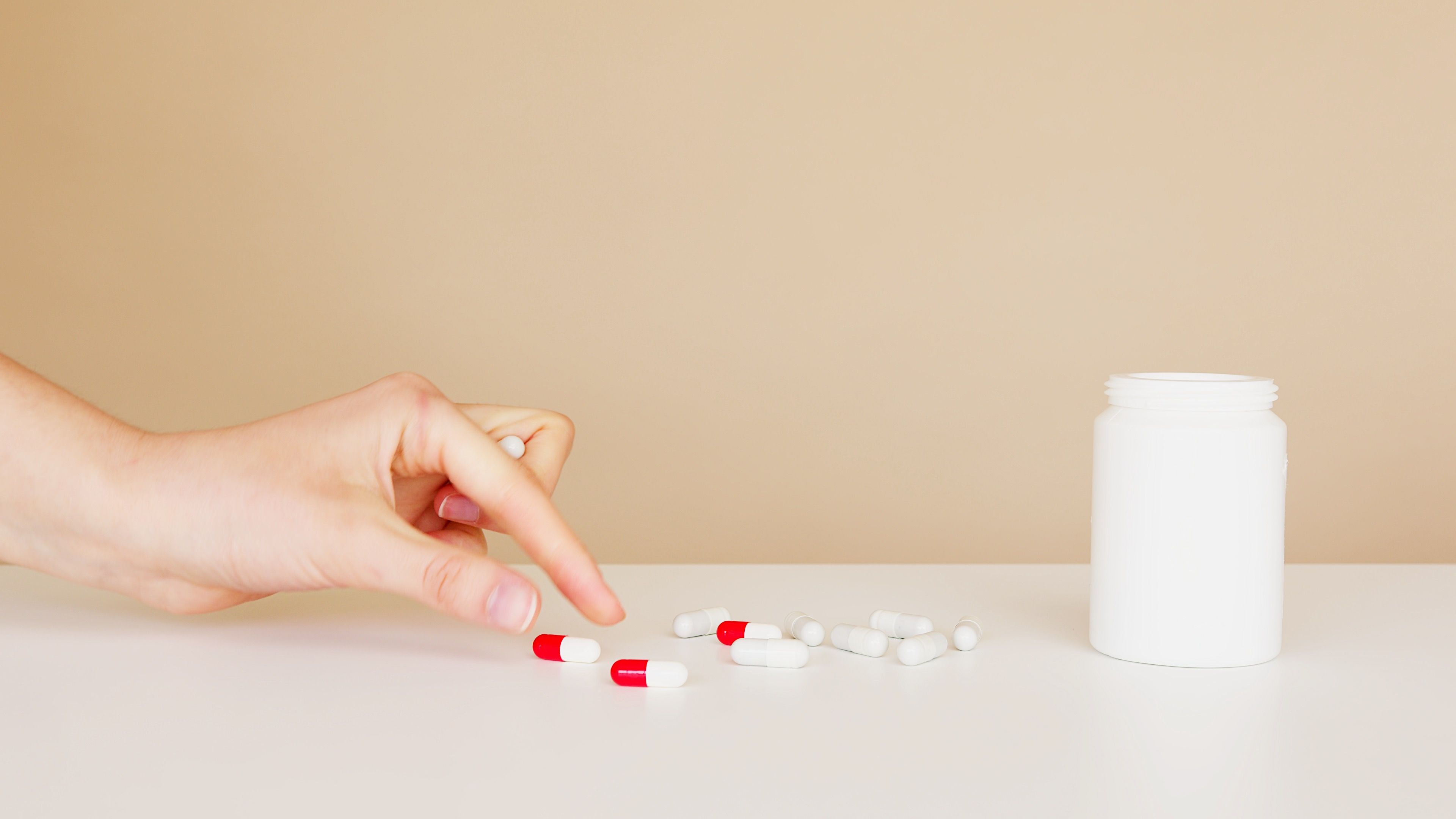
Not every path to hospital-level care starts with illicit drugs. Taking a prescribed medication in a way that wasn't intended, whether that's doubling up on a missed dose, combining a prescription with alcohol, or mixing an opioid pain medication with a benzodiazepine prescribed by a different provider, can spike someone into acute medical need surprisingly fast. This kind of irresponsible use is often unintentional. People don't always realize how quickly two sedating medications can compound each other, or how a missed dose followed by an extra one to "catch up" can throw off tolerance in a dangerous way. When that happens and breathing, heart rhythm, or level of consciousness are affected, the safest place to be is under continuous medical observation, not at home waiting to see if things improve.
When the ER Isn't the End of the Story
One of the harder realities in addiction care is that emergency rooms are built to treat the immediate crisis, stabilize breathing, reverse an overdose, manage a seizure, and then move on to the next patient. That's appropriate for what an ER does. But it means people are sometimes discharged shortly after an overdose reversal while still meeting the clinical criteria for ongoing hospital-level care, especially with something like a nitazene-involved overdose where sedation can return after the reversal medication wears off. Add to that the difficulty of getting a same-day bed at a residential or detox program, and you end up with people who are medically unstable but have nowhere structured to go. Las Vegas Recovery Hospital exists for exactly this gap, offering medically-managed acute substance abuse care for people whose condition genuinely can't be safely managed anywhere else in the moment.
If you're trying to figure out whether you or someone you love needs this level of care, the honest answer is that a clinician needs to make that call based on a full medical picture, not a checklist. What you can do is trust the warning signs: repeated overdose reversal, withdrawal symptoms that feel unmanageable, a psychiatric crisis alongside substance use, or a pattern of programs that haven't stuck. Those are reasons to ask for a higher level of care, not signs that treatment has failed. You can learn more or start that conversation through our admissions team whenever you're ready.
This content is for educational purposes only and is not a substitute for professional medical advice. If you or someone you know is in crisis, call 988 or your local emergency number.
To talk with our admissions team, reach out here or call (702) 941-4673. If you or someone you know is in crisis, call or text 988 anytime.