.svg)


If someone you love has been using fentanyl that's been mixed with medetomidine — often called "tranq" on the street — you may already sense that a typical detox program isn't equipped to handle what's happening in their body. Medetomidine fentanyl withdrawal hospital treatment in Las Vegas exists precisely because this combination behaves differently than opioids alone, and the withdrawal process can become medically unpredictable in ways that standard, lower-acuity detox settings aren't staffed or equipped to manage. Understanding why matters — for your safety, your loved one's safety, and for making an informed decision about the level of care that's actually needed.
When You Qualify for Higher-Acuity Substance Abuse Care
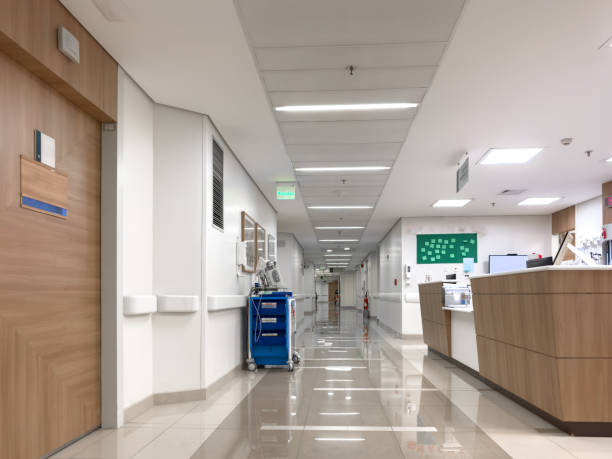
Most people who seek help for substance use start, appropriately, in a lower-acuity setting — medical detox, residential or inpatient rehab, or an intensive outpatient program (IOP, a structured treatment schedule you attend while living at home). These settings work well for many people. But some situations require medically-managed acute substance abuse care: 24-hour, medically-supervised treatment inside a licensed hospital, with round-the-clock nursing and physician oversight. This is often called hospital-level stabilization.
Signs You're No Longer Safe in a Lower-Acuity Setting
You, or someone you're caring for, may need hospital-level stabilization if any of the following are true:
- Withdrawal symptoms are severe, escalating quickly, or involve confusion, seizures, hallucinations, or unstable vital signs
- Intoxication has caused a medical complication — difficulty breathing, chest pain, extreme drowsiness that won't resolve, or loss of consciousness
- A mental health crisis is happening alongside the substance use — thoughts of self-harm, psychosis, or severe agitation
- Detox or residential treatment has been tried before and didn't hold — the person kept destabilizing and needed emergency intervention
With fentanyl mixed with medetomidine specifically, this matters even more. Medetomidine is a powerful sedative developed for veterinary use, not for humans, and it does not respond to the standard medications used to reverse opioid effects. When it's combined with fentanyl (a potent synthetic opioid), the resulting withdrawal can involve unusually severe blood pressure swings, heart rate instability, and prolonged, difficult-to-predict sedation patterns layered on top of typical opioid withdrawal. This unpredictability is a major reason standard outpatient or unmonitored detox settings may not be safe.
What Happens Biologically During That Escalation
Your body adapts to repeated substance exposure. When the substance is removed, your nervous system, which had adjusted to its presence, reacts — sometimes mildly, sometimes severely. With opioids, this typically means intense flu-like symptoms, anxiety, and physical discomfort. When a sedative like medetomidine is also involved, the body has been managing two different depressant effects at once, and withdrawal can pull vital signs (heart rate, blood pressure, breathing) in ways that are harder to anticipate and stabilize without continuous monitoring.
When Withdrawal Becomes a Medical Emergency
Withdrawal from certain substances — including alcohol, benzodiazepines (a class of anti-anxiety and sedative medications), and complex opioid-sedative combinations — can become medically dangerous, potentially involving seizures or cardiovascular instability. This is a general clinical reality, not a prediction for any individual, and only a clinician can evaluate someone's specific risk. What matters is recognizing that when withdrawal risk is uncertain or has already shown warning signs, hospital-level acute withdrawal management provides the continuous observation and rapid medical response that a home environment or a non-hospital detox program cannot.
Effects of Different Drugs on the Body
Different substances create different acute risks, and understanding this helps explain why one-size-fits-all detox doesn't work. Opioids like fentanyl slow breathing and heart rate. Alcohol and benzodiazepines depress the central nervous system and their withdrawal can be more medically volatile than many people realize. Stimulants like methamphetamine can cause dangerous spikes in heart rate and blood pressure, along with psychiatric symptoms such as paranoia. When a sedative like medetomidine enters the picture alongside an opioid, patients may experience deeper, longer-lasting sedation and a withdrawal pattern that doesn't follow the more familiar opioid withdrawal timeline — another reason hospital-based monitoring is often the safer path.
How Drugs Exacerbate Pre-Existing Medical Conditions
Substance use rarely happens in isolation from the rest of someone's health. If you have a heart condition, uncontrolled diabetes, respiratory illness, liver disease, or an existing psychiatric diagnosis, both intoxication and withdrawal can place additional strain on those systems. A heart already working hard to compensate for substance-related stress may struggle further during withdrawal-related blood pressure changes. Someone with an anxiety or mood disorder may find withdrawal symptoms intensify psychiatric symptoms, and vice versa. This overlap between physical and mental health is exactly why co-occurring care — treating substance use and mental or physical health conditions together, in one setting — is often necessary rather than optional.
How Irresponsible Medication Use Can Spike a Patient to Acute Medical Need
Not every path to hospital-level care starts with illicit drug use. Combining prescribed medications in ways not directed by a doctor, taking more than prescribed, mixing sedatives with alcohol, or abruptly stopping a medication that requires gradual tapering can all escalate someone's condition quickly. What might start as a manageable situation can shift into an acute medical need — dangerous drops in blood pressure, extreme sedation, or withdrawal symptoms the body isn't prepared to handle safely without supervision. This is one more reason why any decision to change how a medication is taken should involve a clinician, and why sudden red-flag symptoms deserve immediate medical attention rather than a wait-and-see approach.
When You've Been Discharged from the ER but Still Need Higher-Level Care
One of the most frustrating and confusing situations families face is being discharged from an emergency room after a substance-related crisis, only to still show clear signs that ongoing hospital-level monitoring is needed. Emergency rooms are designed to treat immediate, life-threatening events — not to provide the continuous, multi-day medical stabilization that complex withdrawal, especially involving substances like medetomidine-laced fentanyl, may require. Patients can also find themselves stuck between levels of care: too medically unstable for a standard residential or outpatient rehab to accept them, yet discharged from the ER once the immediate emergency has passed. Las Vegas Recovery Hospital exists to fill that gap, offering medically-managed acute substance abuse care for patients who meet criteria for hospital-level stabilization but haven't had access to it elsewhere. Once a patient is medically stable, the team helps coordinate a step down to an appropriate lower-acuity program, such as residential treatment or an IOP.
If you're trying to figure out what level of care your loved one — or you — actually need, that decision doesn't have to be made alone. A clinical evaluation can clarify whether hospital-level stabilization, acute withdrawal management, or a lower-acuity program is the safest starting point. Reaching out for that evaluation is itself a meaningful first step.
This content is for educational purposes only and is not a substitute for professional medical advice. If you or someone you know is in crisis, call 988 or your local emergency number.
To talk with our admissions team, reach out here or call (702) 941-4673. If you or someone you know is in crisis, call or text 988 anytime.