.svg)


If you or someone you love has used street fentanyl in the Las Vegas area recently, you may have heard about a new problem showing up in toxicology reports: medetomidine. This is a sedative made for veterinary use, not humans, and it's turning up as a contaminant in fentanyl supplies around the country. When someone overdoses on fentanyl mixed with medetomidine, naloxone (the standard opioid overdose reversal medication) may not fully work, and the person can develop a dangerously slow heart rate and low blood pressure. This is exactly the kind of situation where medetomidine overdose hospital treatment in Las Vegas becomes necessary, because these complications require monitoring and care that simply can't happen safely outside a hospital.
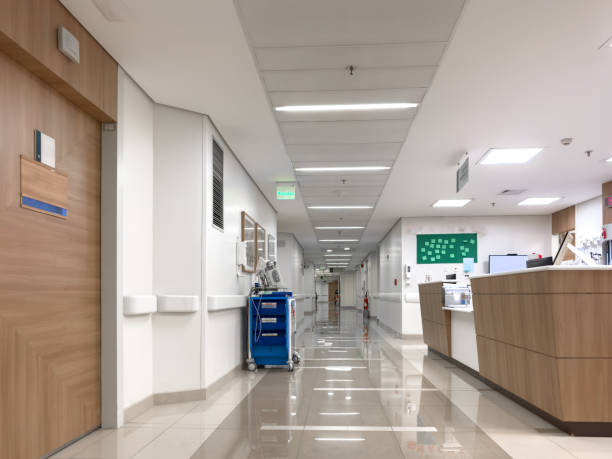
At Las Vegas Recovery Hospital, we provide 24-hour, medically-supervised hospital-level stabilization for people whose condition, whether from a drug overdose, withdrawal, or a co-occurring mental health crisis, can't be managed safely in a lower-acuity setting like detox, residential rehab, or an outpatient program. This post walks through when that level of care is needed, how different substances affect the body, and what to do if you feel stuck between an ER that can't keep you and a rehab that won't take you yet.
When Patients Qualify for Higher-Acuity Substance Abuse Care
Not everyone who uses drugs or drinks heavily needs hospital-level care. Most people can safely go through withdrawal management or start treatment in a residential or outpatient setting. But there's a point where a lower-acuity setting isn't equipped to keep someone safe, and recognizing that point matters, both for you and for the people around you.
A few situations typically signal that you or your loved one need medically-managed acute substance abuse care rather than a standard detox or rehab bed:
- Dangerous withdrawal risk. Withdrawal from alcohol or benzodiazepines (a class of sedative medications like diazepam or alprazolam) can, in some cases, become a medical emergency. Seizures, severe confusion, or unstable vital signs during withdrawal are not things a residential facility without hospital-level monitoring can safely handle.
- Acute intoxication with medical complications. This includes situations like the medetomidine-contaminated fentanyl scenario above, where an overdose doesn't respond the way it normally would, or where a person's heart rate, breathing, or blood pressure become unstable during or after intoxication.
- A co-occurring psychiatric crisis. If substance use is happening alongside suicidal thoughts, severe depression, psychosis, or another mental health emergency, that combination usually requires a hospital setting that can address both at once.
- Repeated failed attempts at lower-acuity care. If someone has tried detox or outpatient treatment more than once and keeps relapsing or destabilizing quickly, that pattern itself can be a sign that a higher level of medical oversight is needed to get a safe foundation before stepping back down.
Biologically, what's happening in many of these cases is that the body's own regulatory systems, the ones controlling heart rate, blood pressure, breathing, and temperature, are being pushed past what they can compensate for on their own. Chronic substance use changes how the brain and nervous system respond to a drug's presence and absence. When a substance is removed suddenly, or when a contaminant like medetomidine interacts with the body's normal response to opioids, those regulatory systems can become unstable fast. That instability is what makes 24-hour medically-supervised care, with nursing staff and a physician available around the clock, necessary rather than optional.
Withdrawal crosses into emergency territory when vital signs become unpredictable, when someone has a seizure, or when confusion and agitation escalate to the point that the person can't be kept safe or oriented. These are not situations where "toughing it out" is appropriate, and recognizing them early is a form of self-advocacy, not weakness.
Effects of Different Drugs
Different substances put different kinds of strain on the body, and that matters when deciding what level of care is appropriate. Opioids, including fentanyl and its analogues, slow breathing and can cause dangerously low oxygen levels. When fentanyl is contaminated with medetomidine, the added sedative effect can deepen that slowdown and add cardiac strain that naloxone alone won't reverse.
Alcohol and benzodiazepines depress the central nervous system, and withdrawal from either can trigger seizures or a severe, potentially life-threatening confusion state. Stimulants like methamphetamine or cocaine push the cardiovascular system in the opposite direction, raising heart rate and blood pressure to levels that can strain the heart, especially in someone with existing cardiac issues. Each of these patterns requires different monitoring, which is part of why an accurate medical assessment matters more than guessing at symptoms.
How Drugs Exacerbate Pre-Existing Medical Conditions
If you already live with heart disease, high blood pressure, diabetes, asthma, or a mental health condition like bipolar disorder or schizophrenia, substance use doesn't happen in isolation from those conditions. A stimulant can push an already-strained heart into arrhythmia. Opioid-related breathing suppression is more dangerous for someone with chronic lung disease. Alcohol can interfere with blood sugar regulation in a person with diabetes. These interactions are part of why hospital-level stabilization exists: it allows a physician to manage both the substance-related crisis and the underlying medical condition at the same time, instead of treating them as separate problems.
How Irresponsible Medication Use Can Spike a Patient to Acute Medical Need
Sometimes the path to a hospital-level crisis isn't illicit drug use at all. Taking prescribed medications outside of how they were prescribed, combining sedating medications, mixing prescriptions with alcohol, or running out of a prescribed benzodiazepine or opioid too quickly can all set off the same kind of destabilization described above. A person may not think of this as "drug misuse" in the way they'd describe illicit fentanyl use, but the body doesn't distinguish based on intent. Sudden changes in how a medication is taken, especially with sedatives, can move someone from stable to medically unstable faster than expected.
Patients Discharged from the ER While Still Meeting Hospital Medical Necessity
One of the harder situations families run into is being sent home from an emergency room after an overdose or withdrawal episode, only to realize the underlying problem hasn't actually resolved. Emergency rooms are built to stabilize an immediate crisis, not to provide ongoing acute substance abuse care, and they often don't have an open hospital-level bed to transfer a patient into. At the same time, many residential rehabs and detox programs won't accept someone whose withdrawal risk or co-occurring psychiatric symptoms are still active, because they aren't licensed or staffed for that level of medical supervision.
This gap, discharged from the ER but not yet safe for standard rehab, is exactly the space that a hospital offering medically-managed acute substance abuse care is meant to fill. If you've been turned away or sent home and you still don't feel stable, that's worth raising with a treatment provider directly rather than assuming there's nothing left to do. Las Vegas Recovery Hospital is set up to evaluate exactly these situations and determine whether hospital-level stabilization is the right next step before stepping down to a lower level of care.
Getting to a stable place is usually the goal of any level of care, and once someone is medically stable, the plan typically shifts toward stepping down into detox, residential treatment, or an intensive outpatient program that fits their ongoing needs. Hospital-level care isn't meant to be permanent. It's meant to get you through the part that isn't safe to manage anywhere else.
This content is for educational purposes only and is not a substitute for professional medical advice. If you or someone you know is in crisis, call 988 or your local emergency number.
To talk with our admissions team, reach out here or call (702) 941-4673. If you or someone you know is in crisis, call or text 988 anytime.