.svg)

Kratom is sold as a plant-based supplement in gas stations and smoke shops around Las Vegas, often marketed as a mild energy booster or pain reliever. What many people don't realize is that concentrated extracts, especially those high in 7-OH (short for 7-hydroxymitragynine, a compound in kratom that acts on the same brain receptors as opioids), can cause an overdose that looks and behaves like opioid poisoning but doesn't always respond the way opioid overdoses do. If you're searching for kratom overdose hospital treatment Las Vegas families can trust, understanding why this substance causes rebound respiratory depression (a dangerous slowing of breathing that returns after it seems to improve) and naloxone-resistant symptoms (signs that don't fully reverse with the standard opioid overdose reversal medication) matters as much as knowing where to go.
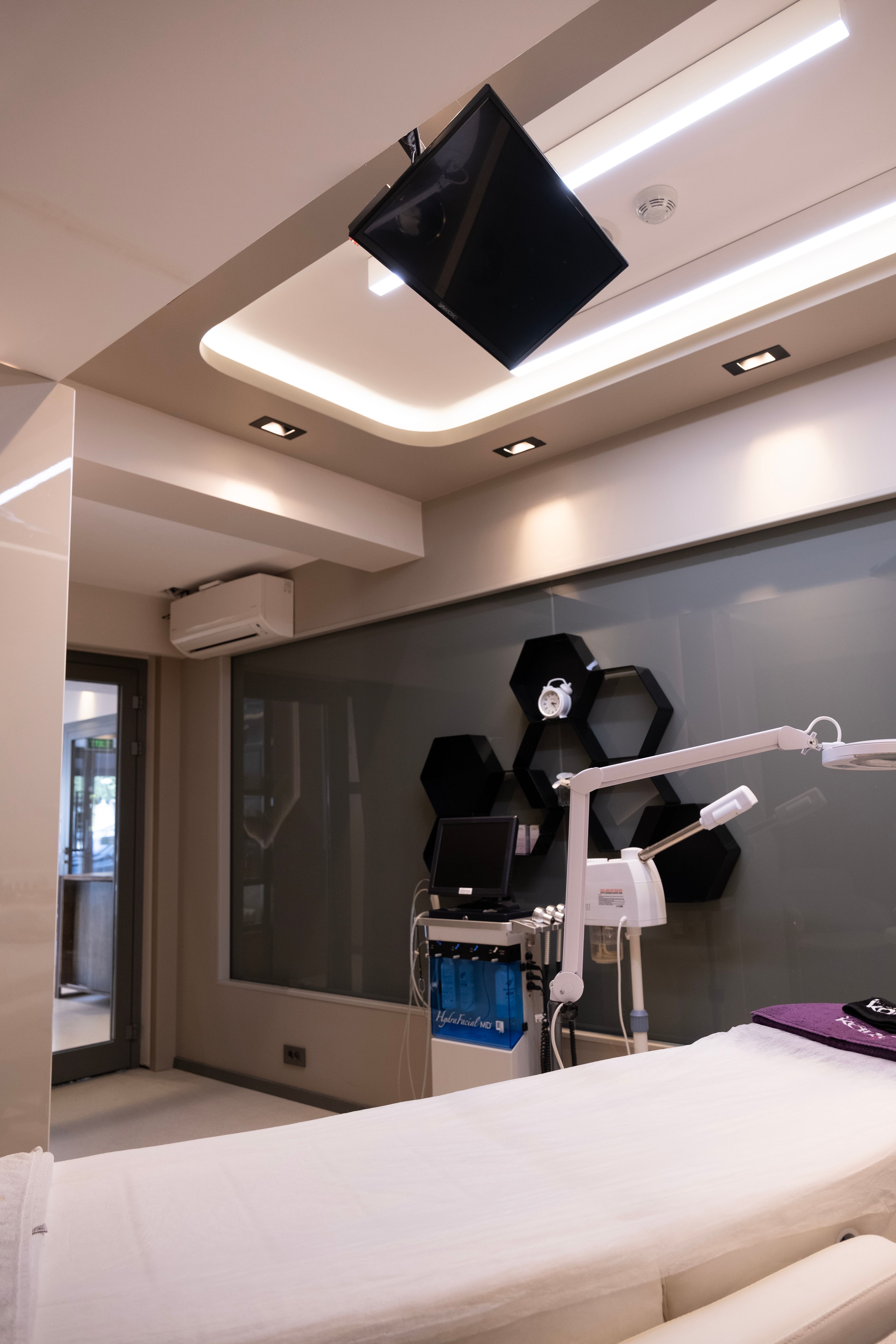
Las Vegas Recovery Hospital provides medically-managed acute substance abuse care, meaning 24-hour, medically-supervised treatment inside a licensed hospital, with nursing staff and physician oversight around the clock. This level of care exists for people whose condition can't be safely managed in a lower-acuity setting like medical detox, residential rehab, or an intensive outpatient program. Kratom and 7-OH overdoses are one example of why that distinction matters.
When You Qualify for Hospital-Level Substance Abuse Care
Not every substance use problem needs hospital-level stabilization, and not every overdose does either. But certain signs tell you, or a clinician, that a lower-acuity program isn't equipped to keep someone safe. With kratom specifically, this often shows up as a breathing problem that doesn't behave like a typical opioid overdose. Someone might receive naloxone, appear to stabilize, and then slip back into slowed or shallow breathing an hour or two later. That rebound pattern happens because kratom compounds can linger in the body differently than prescription opioids, and naloxone's effects can wear off before the kratom does. A detox facility without continuous medical monitoring may not catch that second wave in time.
Other symptoms that suggest someone needs a hospital setting rather than a standalone detox program include seizures, confusion or altered mental status, chest pain, dangerously high or low blood pressure, or vomiting severe enough to risk dehydration or aspiration (inhaling vomit into the lungs). A history of repeated relapse after outpatient or residential treatment is also a signal worth taking seriously. If someone has tried a lower level of care two or three times and keeps returning in worse shape, that pattern itself is a clinical trigger for a higher level of monitoring, not a personal failure.
Biologically, what's happening during this kind of escalation is that the body's basic survival systems, breathing, heart rhythm, temperature regulation, are becoming unstable faster than a non-hospital program can respond to. Withdrawal from some substances, particularly alcohol and benzodiazepines, can progress to seizures, severe agitation, or dangerous changes in heart rate and blood pressure. This is one of the more serious medical realities in addiction treatment: withdrawal from these specific substances can become a genuine emergency, which is different from the discomfort associated with most other withdrawal experiences. When a person's vital signs are unpredictable, or when withdrawal risk is combined with a co-occurring psychiatric crisis such as suicidal thinking or acute psychosis, hospital-level stabilization gives them access to physicians and nurses who can respond within minutes, not hours. Once someone is medically stable, the plan usually shifts toward a lower level of care, such as residential treatment or an intensive outpatient program, as the next appropriate step.
How Different Substances Affect the Body
Kratom's effects vary by dose and by which compounds dominate in a given product, which is part of what makes it unpredictable. At lower amounts it can act like a stimulant. At higher amounts, especially with concentrated 7-OH extracts, it behaves more like a strong opioid, slowing breathing and lowering alertness. Traditional opioids such as heroin or fentanyl carry similar respiratory risks. Alcohol depresses the central nervous system and, in withdrawal, can trigger seizures. Benzodiazepines, prescribed for anxiety or sleep, carry their own dangerous withdrawal pattern when stopped abruptly after regular use. Stimulants like methamphetamine or cocaine put strain on the heart and can cause dangerously elevated blood pressure or heart rhythm problems. Each of these substances has a different acute intoxication and withdrawal profile, and hospital teams evaluate each patient with that specific profile in mind rather than applying a single approach to every case.
How Substance Use Can Worsen Existing Medical Conditions
Someone with an existing heart condition faces added risk from stimulant use or from the cardiovascular strain of alcohol withdrawal. A person with asthma or chronic obstructive pulmonary disease (COPD, a lung condition that makes breathing harder) is more vulnerable to the respiratory depression kratom and opioids can cause. Diabetes, seizure disorders, and untreated mental health conditions like bipolar disorder or schizophrenia can all interact with substance use in ways that raise the stakes considerably. A dose of a substance that one person tolerates without much trouble might push someone with an underlying condition into a genuine medical crisis. This is one reason a hospital-based team asks detailed questions about medical history before making decisions about level of care.
When Medication Misuse Escalates Quickly
Acute medical need doesn't always start with an illegal drug. It can build gradually through medication misuse that seems manageable at first: taking more of a prescribed opioid than directed, combining kratom with alcohol or sedatives, or mixing over-the-counter sleep aids with prescription anxiety medication. Each substance on its own might carry a moderate risk. Combined, they can suppress breathing or heart function far more than any single one would alone. This kind of polysubstance use (using more than one substance at the same time) is a common path that brings someone into acute medical need, and it's rarely intentional. It usually reflects someone trying to manage pain, anxiety, or withdrawal symptoms without realizing how the substances interact.
When the ER Isn't the End of the Story
A frustrating pattern shows up often in Las Vegas and elsewhere: someone goes to an emergency room after a kratom overdose or another substance-related crisis, gets stabilized enough to survive the immediate danger, and gets discharged, even though they still meet the clinical criteria for hospital-level care. Emergency departments are built to treat the immediate life threat, not necessarily to provide the sustained monitoring and psychiatric evaluation that acute substance use and co-occurring conditions often require. Add to that the real barriers many people face getting into a residential or inpatient rehab program, waitlists, insurance authorization delays, lack of open beds, and it's easy for someone to fall into a gap between "technically stable" and "actually safe to go home." Las Vegas Recovery Hospital exists partly to close that gap, offering a direct path into 24-hour medically-supervised care for patients who need more than an ER visit but can't wait for a lower-acuity bed to open up.
If you or someone you love has been through a kratom overdose, a difficult withdrawal, or a mental health crisis tied to substance use, you don't have to figure out the right level of care on your own. A clinical evaluation can determine whether hospital-level stabilization, acute withdrawal management, or a lower-acuity program is the safest next step.
This content is for educational purposes only and is not a substitute for professional medical advice. If you or someone you know is in crisis, call 988 or your local emergency number.
To talk with our admissions team, reach out here or call (702) 941-4673. If you or someone you know is in crisis, call or text 988 anytime.