.svg)

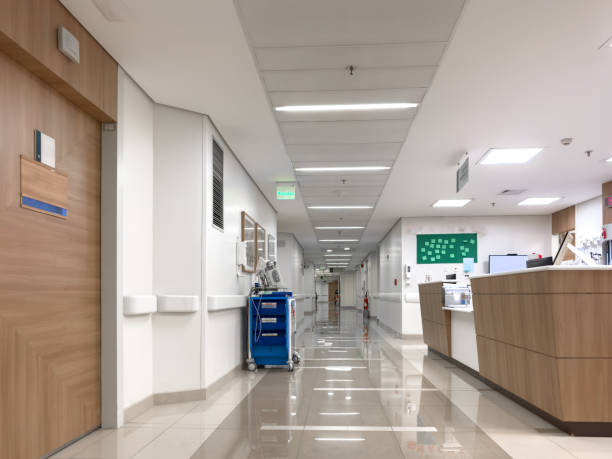
Higher-acuity substance abuse care means 24-hour, medically supervised treatment in a licensed hospital, for people whose withdrawal risk, medical complications, or psychiatric symptoms are too serious to manage safely in detox, residential rehab, or an outpatient program. This level of care exists to stabilize the body and mind first, so a person can move safely into the next stage of addiction treatment. Las Vegas Recovery Hospital, in Henderson, provides exactly this kind of bridge between emergency care and the rest of the recovery continuum.
If you're a patient, a family member, or a referring provider trying to figure out whether someone needs this level of care, this guide walks through the clinical signs that point to it and what actually happens during a hospital-level stay.
What does "higher-acuity" substance abuse care actually mean?
It refers to care delivered in a licensed hospital setting, with physicians and nurses present around the clock, for medical or psychiatric conditions that lower-acuity settings aren't equipped to handle. Lower-acuity care includes medical detox programs, residential or inpatient rehab, and intensive outpatient programs, all of which are valuable but staffed and equipped differently than a hospital.
Think of it as a spectrum. On one end you have outpatient counseling a person attends while living at home. On the other end is a hospital that can run labs, manage IV fluids, treat infections, and respond immediately if someone's heart rhythm or breathing changes. Higher-acuity care sits at that far end, and it's meant to be temporary. Once a person is medically stable, the goal is always to step back down to the least intensive setting that still keeps them safe.
When do patients qualify for higher-acuity substance abuse care?
Patients typically qualify when their withdrawal risk, medical condition, or psychiatric state can't be safely managed outside a hospital. In practice this comes down to a handful of recognizable situations that clinicians look for during an evaluation.
Dangerous withdrawal risk. Not all withdrawal is medically risky, but withdrawal from alcohol or benzodiazepines (a class of sedative medications) can, in some cases, progress to seizures, severe confusion, or a condition called delirium tremens that requires constant medical monitoring. When a person's history, prior withdrawal experiences, or current symptoms suggest this kind of risk, a detox program without hospital-level backup may not be safe.
Acute intoxication with medical complications. Sometimes the substance itself has caused a medical problem that needs treatment before addiction care can even begin. This might look like an irregular heartbeat, dangerously high blood pressure, breathing trouble, or a change in mental status that a lower-acuity program isn't licensed or staffed to evaluate.
Co-occurring psychiatric crisis. When substance use is happening alongside active suicidal thoughts, psychosis, or a severe mood episode, a residential rehab or outpatient setting usually can't provide the psychiatric oversight that situation calls for. Hospital-level care allows psychiatry and addiction medicine to work together from day one.
Repeated failed placements at a lower level of care. If someone has tried detox or residential treatment more than once and hasn't been able to complete it safely, that pattern itself is a signal. It often means an underlying medical or psychiatric issue was never fully addressed, and a more medically intensive setting may be needed to identify and treat it.
A serious medical condition tied to substance use. Some patients are admitted because the primary problem is medical, not behavioral. This includes infections such as sepsis or endocarditis (an infection of the heart valves), abscesses, pneumonia, respiratory failure, heart failure, liver conditions like hepatitis or cirrhosis, kidney failure, malnutrition, dehydration, electrolyte imbalances, and complex wounds, including injection-related wounds and wounds associated with xylazine, an animal sedative increasingly found in the illicit drug supply. These conditions need hospital-level treatment regardless of where someone is in their recovery, and LVRH's wound care services are built specifically for this.
What happens during a stay for hospital-level stabilization?
A hospital-level stay follows a fairly predictable sequence, even though the exact timeline varies from person to person. Knowing the stages ahead of time tends to lower a lot of the anxiety around what to expect.
1. Evaluation and admission
The process starts with a full medical and psychiatric evaluation, usually including labs, a physical exam, and a review of substance use and medical history. This is how the team confirms that hospital-level care, rather than detox or residential treatment, is the right fit. You can review the general admissions process on the admissions page before you call.
2. Acute medical stabilization
Once admitted, the immediate priority is treating whatever is medically urgent, whether that's an infection, an unstable vital sign, or dangerous withdrawal symptoms. This often overlaps with medically managed detox, where physicians and nurses monitor withdrawal around the clock and intervene if symptoms become severe.
3. Coordinated psychiatric and medical care
As the acute medical picture improves, the team starts addressing co-occurring psychiatric symptoms alongside the physical ones. Physicians, psychiatrists, and nurse practitioners work as one team here rather than treating the mind and body separately, which matters most for patients who arrived in psychiatric crisis.
4. Peer support and case management
While medical stabilization is happening, patients also connect with certified peer recovery specialists who have lived experience with recovery themselves, through the hospital's peer support program. Case managers begin working in parallel on what comes next, coordinating with case management services to line up the next level of care before discharge day arrives.
5. Step-down and discharge planning
Once a person is medically stable, the team plans a step down to a lower-acuity setting, whether that's residential rehab, an intensive outpatient program, or another appropriate placement. This isn't an afterthought tacked on at the end. It's planned from early in the stay so there's no gap in care. The full what-to-expect walkthrough covers this in more detail if you want to read ahead.
How is this different from going to an emergency room?
An emergency department is built for immediate, unpredictable crises, and it isn't set up to manage days of ongoing withdrawal monitoring or coordinated addiction and psychiatric care. LVRH is a licensed acute inpatient hospital, not an emergency room, and it isn't a rehab either. It exists specifically to fill the space between those two things, providing sustained medical stabilization once the emergency has passed but before someone is ready for a lower-acuity program.
For families in Henderson and across the Las Vegas valley, this distinction matters because it changes where you'd actually call first. An acute crisis still belongs at an emergency department. A situation where someone needs several days of monitored withdrawal management, medical treatment, and coordinated psychiatric support is where a facility like LVRH's acute inpatient care comes in.
Frequently asked questions
How do I know if my family member needs hospital-level care instead of detox?
Signs include a history of severe withdrawal, current confusion or seizures, unstable vital signs, active suicidal thoughts, or a medical condition like infection or dehydration that needs treatment alongside detox. A medical evaluation is the only reliable way to confirm this, so calling and describing the symptoms is the right first step.
What's the difference between medical detox and hospital-level stabilization?
Medical detox manages withdrawal in a licensed setting with medical support, but it isn't built to treat serious infections, organ complications, or psychiatric crises. Hospital-level stabilization adds full physician and nursing coverage and the ability to treat medical conditions directly, which is why some patients need it before or alongside detox.
Does LVRH treat the addiction and the medical problem at the same time?
Yes. LVRH's multidisciplinary team, including addiction-certified physicians, psychiatrists, nurse practitioners, social workers, and peer recovery specialists, treats medical conditions and withdrawal together rather than sending patients elsewhere for one or the other.
What happens after someone is medically stable?
The care team works with the patient and case management to arrange a step down to the next appropriate level of care, such as residential rehab or an intensive outpatient program. This planning typically starts early in the hospital stay, not on the day of discharge.
Will insurance cover a stay at a higher-acuity hospital like this?
Coverage depends on the individual plan and the medical necessity documented during evaluation. The admissions team can verify insurance benefits directly, so it's best to call and ask about a specific situation rather than assume coverage either way.
Is Las Vegas Recovery Hospital an emergency room?
No. LVRH is a licensed acute inpatient hospital, not an emergency department, and it doesn't treat unpredictable emergencies as they happen. It provides sustained, 24-hour medical stabilization once an acute emergency has been addressed, filling the gap between the ER and ongoing addiction treatment.
[Medically reviewed by: NAME, CREDENTIALS - insert reviewer and date before publishing]
This content is for educational purposes only and is not a substitute for professional medical advice. If you or someone you know is in crisis, call 988 or your local emergency number.
To talk with our admissions team, start the admissions process here or call (702) 941-4673. If you or someone you know is in crisis, call or text 988 anytime.