.svg)


For grandparents raising grandchildren, addiction warning signs in an adult son or daughter can be hard to read at 2 a.m., especially when you've already ridden out plenty of rough nights. Some signs, though, mean the situation has moved past what home management can safely handle. This checklist walks through what those signs look like and what tends to happen once your loved one gets the hospital-level medical care they need.
None of this is meant to replace a clinician's judgment. If you're ever unsure whether what you're seeing is an emergency, call 911, call 988, or bring your loved one to an emergency department and let a medical professional make that call.
Grandparents raising grandchildren addiction warning signs: when is it more than a bad night?
The single most urgent sign is any indication of dangerous withdrawal, including seizures or severe confusion. Withdrawal from alcohol or benzodiazepines (a class of sedative medications) can become medically dangerous, sometimes producing seizures or a confused, agitated state sometimes called delirium tremens. This is not something to monitor from the next room. It needs emergency medical attention right away.
Beyond that, here are other signs that point toward a medical emergency rather than something you can manage at home:
This list is meant to help you recognize a pattern, not to diagnose anything yourself. If more than one of these signs is present, or if your gut is telling you something is seriously wrong, treat it as an emergency and get medical eyes on your loved one.
What happens once your loved one is admitted for stabilization?
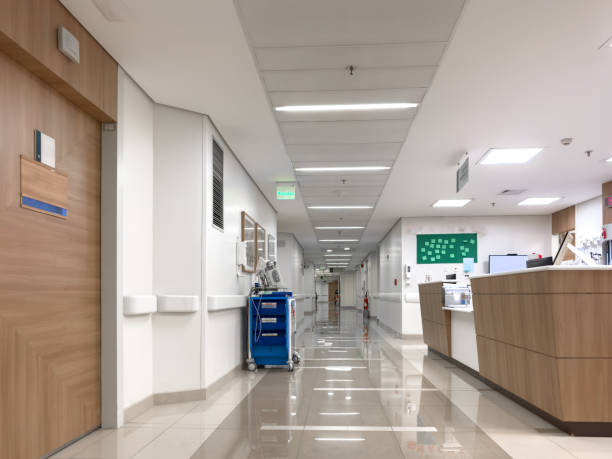
A licensed acute inpatient hospital provides 24-hour physician and nursing coverage to stabilize both the medical and withdrawal-related complications of substance use. Las Vegas Recovery Hospital sits in that space between the emergency department and the rest of the addiction treatment continuum, offering acute inpatient care and medically managed detox for people whose withdrawal risk or co-occurring medical condition can't be safely managed anywhere less intensive. Once your loved one is medically stable, the team helps them step down to the next appropriate level of care.
This is the part of the story most families in Southern Nevada never hear about ahead of time, mostly because nobody plans for it. But it's also where the real work of getting a family back on solid ground begins.
What does a certified peer recovery specialist actually do for your family?
A certified peer recovery specialist is someone with their own lived experience of addiction and recovery who's been trained and certified to support other people going through it. They sit with patients, listen without judgment, and speak from a place patients can actually trust, because they've been on the other side of that hospital bed themselves.
For a grandparent, this often matters more than you'd expect. Peer specialists can help reduce the shame and defensiveness that so often shut down honest conversation between a parent and their adult child. They also tend to know the local landscape of peer support and community recovery resources around Southern Nevada, and they can point families toward support groups for grandparents and other kinship caregivers, not just for the person in treatment.
None of this fixes everything overnight. But having someone in the room who has lived through addiction and come out the other side changes the tone of these conversations, for the patient and often for you too.
How does case management coordinate care before your loved one leaves the hospital?
Case managers start planning for what comes next almost as soon as a patient is admitted, not the day before discharge. Their job is to line up the next level of care, whether that's residential rehab, an intensive outpatient program, or another structured setting, so there isn't a gap where your loved one leaves the hospital with nowhere to go.
Case management also means coordinating the practical pieces that families rarely think about until they're stuck: transportation to the next facility, communication with outside providers, and follow-up on any medications started during the stay. If insurance coverage is a concern, the admissions team can help verify benefits directly, since coverage and costs vary by plan and shouldn't be assumed either way.
As a grandparent, you may be looped into some of these conversations, especially around safety planning for the household. Case managers generally welcome that involvement, within whatever boundaries your loved one is comfortable with, because family stability after discharge often matters as much as the treatment itself.
What does discharge day actually look like?
Discharge happens once a physician determines your loved one is medically stable enough to move to a lower level of care. That doesn't mean the addiction is resolved. It means the acute medical or withdrawal-related danger has passed, and ongoing recovery work can continue somewhere with a different kind of support.
On discharge day, the case management team typically confirms the next placement, arranges transportation, and makes sure any medical follow-up appointments are set before your loved one leaves the building. Peer specialists often have a final conversation with the patient about what to expect next, and sometimes with family members too, if everyone involved agrees that's helpful. You can review what this process generally looks like on the what to expect page before your loved one is ever admitted, so it isn't unfamiliar territory in the middle of a crisis.
How can grandparents raising grandchildren prepare for what comes next?
Preparing doesn't mean predicting whether relapse will happen again. It means having a plan for what you'll do if it does, and knowing you don't have to figure that out alone. Ask the case manager directly what the aftercare plan includes and what your role is expected to be, if any, during that next phase.
It also helps to build your own support outside the hospital. Kinship caregiver support groups exist in Southern Nevada specifically for grandparents and other relatives raising a child because of a parent's addiction, and the Nevada Division of Public and Behavioral Health maintains information on local behavioral health and family resources. You are allowed to ask for help too. Taking care of yourself and the child in your home isn't separate from taking care of your adult child. It's part of the same picture.
Frequently asked questions
How do I know if my adult child's relapse is a medical emergency?
Signs like seizures, severe confusion, trouble waking up, bluish lips, or talk of suicide point to a medical emergency and need immediate attention from 911, an emergency department, or 988. This checklist can help you notice patterns, but a clinician should always make the final call on the level of care needed.
Is Las Vegas Recovery Hospital a rehab facility?
No. Las Vegas Recovery Hospital is a licensed acute inpatient hospital that stabilizes serious medical and withdrawal-related complications of substance use. It bridges the gap between the emergency department and lower-acuity settings like residential rehab, and patients typically step down to those programs once they're medically stable.
What is a certified peer recovery specialist?
A certified peer recovery specialist is a trained professional with their own lived experience of addiction and recovery who supports patients during hospital-level stabilization. They offer encouragement, reduce shame around treatment, and often connect families with community and kinship caregiver resources in Southern Nevada.
Will my loved one automatically go home to my house after discharge?
Not usually. Most patients step down to a structured setting like residential rehab or an intensive outpatient program rather than returning directly home. Case managers coordinate this transition before discharge, and families are often included in safety planning conversations if everyone agrees that's appropriate.
Can I call to ask questions before deciding whether my loved one needs hospital-level care?
Yes. Contacting the admissions team is a reasonable first step if you're unsure whether a situation warrants hospital-level stabilization or a different setting. In an active emergency, though, call 911 or 988 first rather than waiting for a callback.
Does insurance cover a stay at Las Vegas Recovery Hospital?
Coverage depends on your specific insurance plan, so it's best to verify benefits directly with the admissions team rather than assume what's covered. No stay or outcome can be guaranteed in advance, but the team can walk you through what's known before your loved one is admitted.
This content is for educational purposes only and is not a substitute for professional medical advice. If you or someone you know is in crisis, call 988 or your local emergency number.
To talk with our admissions team, start the admissions process here or call (702) 941-4673. If you or someone you know is in crisis, call or text 988 anytime.