.svg)

Fentanyl laced stimulant overdose treatment in Las Vegas has become a more common topic among families, first responders, and hospital staff over the past few years. Methamphetamine and cocaine sold on the street are increasingly contaminated with fentanyl, a synthetic opioid far stronger than most people expect. When someone uses what they believe is a stimulant and it's actually mixed with fentanyl, the body can react in ways that standard detox programs simply aren't built to manage. That's often when hospital-level stabilization, not a lower-acuity setting, becomes the safer path forward.
When Patients Qualify for Higher-Acuity Substance Abuse Care
Most people who use substances start out in, or are referred to, lower-acuity care. That includes medical detox (a supervised process for clearing a substance from the body), residential or inpatient rehab, and intensive outpatient programs where you attend treatment several days a week but live at home or in sober housing. These settings work well for a lot of people. But some situations call for something more, and there's no shame in needing it.
What Symptoms or History Signal You Aren't Safe in a Lower-Acuity Setting
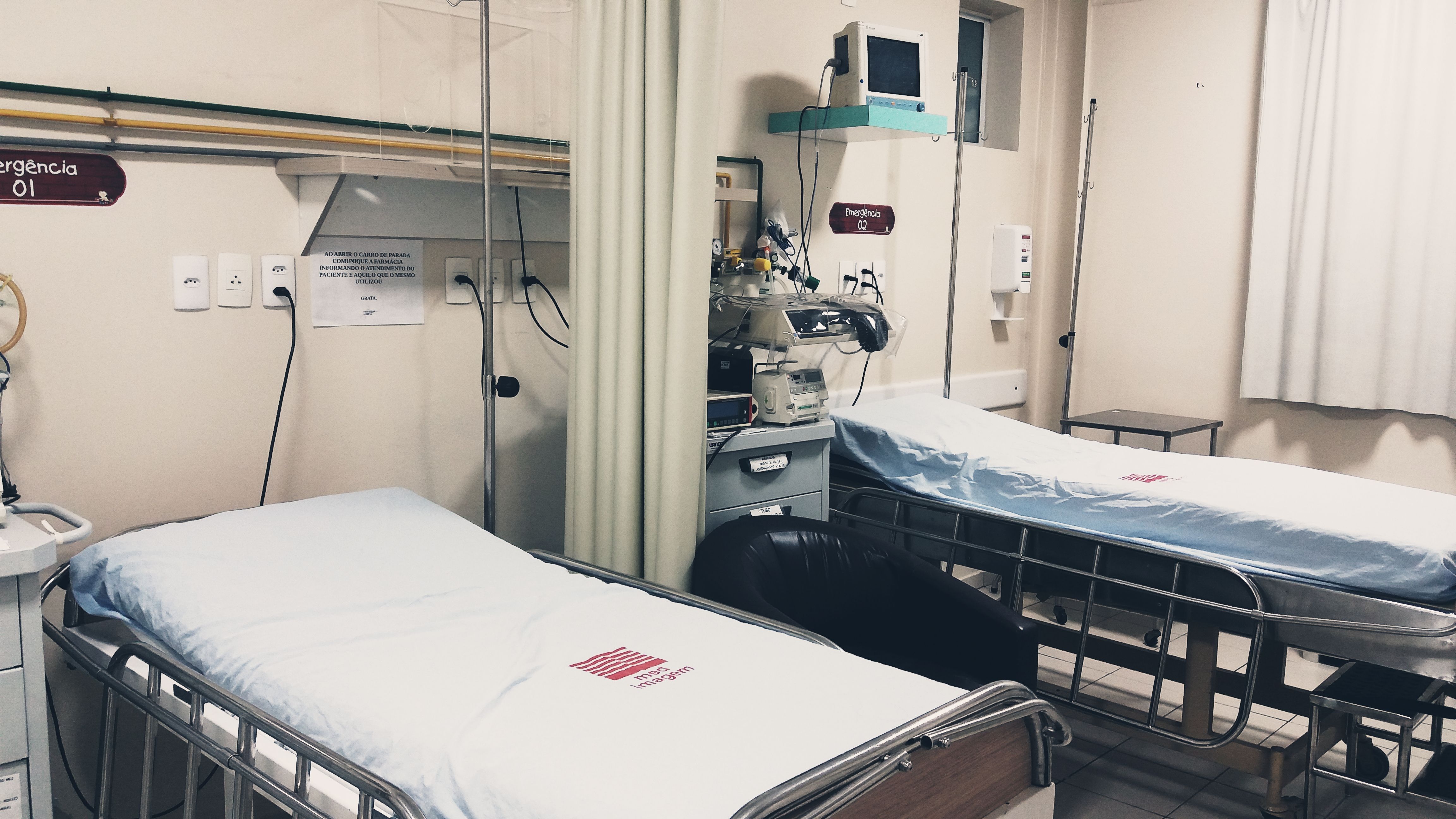
A few patterns tend to show up before someone is moved to medically-managed acute substance abuse care, which means 24-hour, medically-supervised treatment in a licensed hospital with nursing coverage and physician oversight around the clock. You might recognize some of these in yourself or someone you love:
- Vital signs (heart rate, blood pressure, breathing, temperature) that swing unpredictably or won't stabilize
- A history of overdose, especially one involving both a stimulant and an opioid like fentanyl
- Confusion, hallucinations, or a psychiatric crisis layered on top of substance use
- Repeated attempts at detox or outpatient treatment that didn't hold, often because the medical risk was underestimated the first time
None of this is a moral failing. It's a signal that the level of medical monitoring available doesn't match the level of risk the body is carrying right now.
What's Happening in the Body During That Escalation
Stimulants like methamphetamine and cocaine speed the body up. Heart rate climbs, blood pressure rises, and the nervous system stays on high alert. Fentanyl does close to the opposite: it slows breathing and can sedate someone even while their heart is still racing from the stimulant. When both are in a person's system at once, often without their knowledge, the body is getting two conflicting sets of instructions. That conflict can mask the warning signs a clinician would normally rely on. Breathing can slow to a dangerous level while someone still looks physically agitated, which makes this combination especially hard to monitor safely outside a hospital.
When Withdrawal Becomes a Medical Emergency
Withdrawal itself isn't dangerous for every substance, but for some it can be. Alcohol and benzodiazepine withdrawal, for example, can involve seizures and other serious complications in certain people, which is why these withdrawals are generally described as requiring careful medical evaluation rather than being managed alone. Add a stimulant and fentanyl combination on top of an already stressed cardiovascular or respiratory system, and the risk profile changes further. A clinician looks at the whole picture, your history, your vitals, and what substances are involved, to decide whether acute withdrawal management needs to happen under 24-hour medical supervision rather than in a lower-acuity program.
How Fentanyl Contamination Changes the Effects of Different Drugs
People often assume they know what to expect from a substance they've used before. Fentanyl contamination throws that assumption off. A stimulant that used to cause predictable energy and alertness can now come with unexpected sedation, slowed breathing, or loss of consciousness. Someone using cocaine might not realize an opioid is even present until their breathing slows in a way stimulants alone don't cause. This is part of why stimulant overdose involving fentanyl looks different from a "typical" overdose of either substance on its own, and why treating it safely often calls for hospital-level care rather than a standard detox protocol.
How Drugs Can Make Existing Health Conditions Worse
If you already live with a heart condition, high blood pressure, diabetes, asthma, or a mental health diagnosis like bipolar disorder or major depression, substance use doesn't happen in isolation from that condition. A stimulant can push blood pressure or heart rate into a range that's already risky for someone with cardiovascular disease. Fentanyl's effect on breathing is more dangerous for someone with asthma or another lung condition. Mental health symptoms can spike sharply when a substance interacts with an existing psychiatric condition, sometimes triggering a crisis that needs immediate stabilization rather than a scheduled outpatient appointment. This is one reason co-occurring care, addressing substance use and a mental health or medical condition together, matters so much in hospital-level settings.
How Irresponsible Medication Use Can Push Someone Into Acute Medical Need
Sometimes the path to a medical crisis doesn't start with street drugs at all. Taking more of a prescribed stimulant medication than directed, combining a prescribed opioid or benzodiazepine with alcohol, or skipping doses and then doubling up later can all shift someone from stable to acute fairly quickly. Mixing prescription medications with illicit substances, even unintentionally, adds another layer of unpredictability to how the body responds. None of this makes someone reckless or beyond help. It just means the situation now needs a level of medical monitoring that a standard outpatient visit can't provide.
When the ER Isn't Enough: Getting Blocked From the Next Step of Care
One of the harder realities in Las Vegas and elsewhere is that someone can be treated in an emergency room, medically stabilized enough to be discharged, and still meet the clinical definition of needing hospital-level substance abuse care. Emergency rooms are built to handle the immediate crisis, not necessarily the days of monitoring that acute withdrawal or a co-occurring psychiatric episode might require. Patients sometimes leave the ER only to find that residential rehab beds are full, insurance approval is delayed, or the program they need isn't equipped for their level of medical complexity. Las Vegas Recovery Hospital exists in part to close that gap, offering the 24-hour, medically-supervised hospital-level stabilization that some patients need between an ER visit and a lower-acuity program.
Once a patient is medically stable, meaning vital signs are steady and any acute psychiatric or medical crisis has passed, the goal is almost always to step down to a lower level of care like residential treatment, an intensive outpatient program, or ongoing outpatient support. Hospital-level stabilization isn't meant to be the whole journey. It's the part of the journey that makes the rest of it possible.
This content is for educational purposes only and is not a substitute for professional medical advice. If you or someone you know is in crisis, call 988 or your local emergency number.
To talk with our admissions team, reach out here or call (702) 941-4673. If you or someone you know is in crisis, call or text 988 anytime.