.svg)


Alcohol withdrawal syndrome is the group of physical and psychological reactions that happen when someone who has been drinking heavily and regularly stops or sharply cuts back. It can range from mild shakiness and anxiety to a life-threatening emergency called delirium tremens, and the danger comes from how deeply alcohol reshapes the nervous system over months or years of use. Because the risk is unpredictable and can escalate quickly, alcohol withdrawal is one of the most common reasons a person needs 24-hour, medically-supervised care instead of an outpatient program.
If you or someone you love is trying to stop drinking, or has tried before and hit trouble, it helps to understand what is actually happening inside the body. This isn't about willpower. It's a physiological process, and for some people it requires a hospital setting to manage safely.
What happens in the body during alcohol withdrawal syndrome?
When someone drinks heavily for a long stretch of time, the brain adjusts by dialing down its own calming chemicals and ramping up its excitatory ones, essentially fighting to stay balanced against a constant depressant. When the alcohol is suddenly removed, that balance flips the other way, and the nervous system is left overexcited with nothing to counteract it. That imbalance is what produces the shaking, sweating, racing heart, anxiety, and nausea that mark early withdrawal.
For most people who drink at lower levels, this passes on its own within days. For someone whose body has adapted to heavy, sustained drinking, the same process can trigger seizures, severe blood pressure swings, or dangerous shifts in heart rhythm. This is why a clinician needs to evaluate drinking history and prior withdrawal experiences before anyone assumes a stop-at-home approach is safe.
Why does alcohol withdrawal sometimes turn into delirium tremens?
Delirium tremens, often shortened to DTs, is the most severe form of alcohol withdrawal, and it develops when the nervous system's overactivity spirals into confusion, hallucinations, and dangerous instability in heart rate, blood pressure, and body temperature. It typically shows up a few days after the last drink, sometimes after milder symptoms seem to be improving, which is part of why it catches people off guard.
Not everyone who drinks heavily will develop DTs, and there's no way to predict it perfectly in advance. Risk factors clinicians watch for include a history of prior severe withdrawal, seizures during past withdrawal episodes, and co-occurring medical problems like malnutrition, dehydration, or liver disease. Because DTs can involve seizures and cardiovascular instability, it is considered a medical emergency, not something to manage through willpower or a quiet room at home.
What does hospital-level care for alcohol withdrawal actually look like?
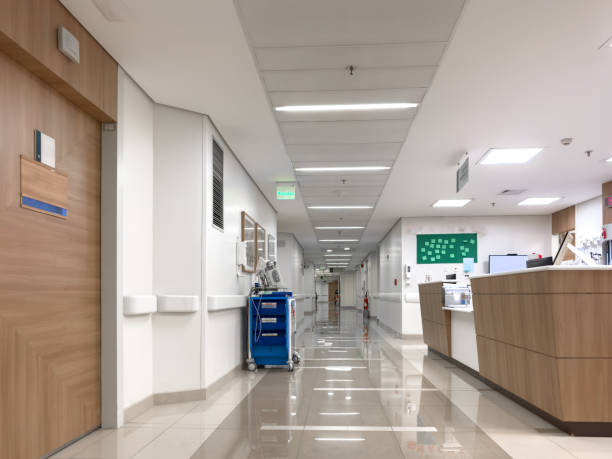
Hospital-level stabilization means continuous nursing observation and physician oversight in a licensed hospital setting, so that vital signs, hydration, electrolytes, and neurological status can be monitored and treated as they change. This matters because alcohol withdrawal doesn't move at a predictable pace. Someone can look stable in the morning and need urgent intervention by evening.
At Las Vegas Recovery Hospital, this kind of acute withdrawal management is paired with treatment for whatever else the body is dealing with at the same time, whether that's dehydration, an electrolyte imbalance, malnutrition, an irregular heartbeat, or a co-occurring infection. Our team includes addiction-certified physicians, nurse practitioners, and psychiatrists working alongside social workers and certified peer recovery specialists, so the medical piece and the human piece are handled together rather than in separate places. You can see the full range of what's included in our acute inpatient care and medically managed detox services.
Once someone is medically stable, the next step usually isn't more hospital time. It's a step down to a lower-acuity setting like residential rehab, intensive outpatient treatment, or ongoing outpatient support, depending on what the person and their care team decide makes sense.
How do other substances affect the body during use and withdrawal?
Different substances stress the body in different ways, and the medical picture depends heavily on what's being used, for how long, and alongside what else. Stimulants like methamphetamine and cocaine put a strain on the cardiovascular system, and can be involved in irregular heart rhythms, dangerously high blood pressure, and, in some cases, heart failure. Opioids slow breathing and can lead to respiratory failure, and long-term injection use can cause serious infections such as endocarditis, an infection of the heart's inner lining, or abscesses and complex wounds, including the deep tissue wounds associated with xylazine-contaminated drug supplies.
Benzodiazepines carry their own withdrawal risk that in some ways mirrors alcohol, including the possibility of seizures, which is one reason people using both substances together need especially careful evaluation. Chronic alcohol use separately raises the risk of liver disease, including hepatitis and cirrhosis, along with neuropathy, a form of nerve damage that can cause pain, numbness, or weakness in the hands and feet. None of these effects are inevitable, but they are the kinds of complications that can turn what looks like a substance use problem into a medical one requiring hospital-level treatment, wound care, or both. Our wound care team specifically handles the complex, injection-related wounds that can come with longer-term substance use.
What does the road to recovery look like after stabilization?
Recovery after a hospital stay for withdrawal or a related medical complication usually starts with getting the body's basic functions back on stable ground: normal vital signs, corrected fluid and electrolyte levels, and a clearer head. From there, the focus shifts to what comes next, which is different for everyone.
Case management helps connect people to the right next setting, whether that's residential treatment, an intensive outpatient program, or continued outpatient care closer to home. Peer support, provided by people with their own lived experience of recovery, often makes a real difference in that transition, because it comes from someone who has been through it rather than only read about it. You can read more about how these pieces fit together on our case management and peer support pages.
When does someone in the Las Vegas area need this level of care?
Someone typically needs hospital-level stabilization when withdrawal risk is high, when acute intoxication has caused a medical complication, when a psychiatric crisis is happening alongside substance use, or when lower-acuity treatment has been tried more than once without success. These are clinical judgment calls, not something to sort out alone at home. For families across North Las Vegas and the greater Las Vegas area, having a licensed hospital that specifically bridges emergency care and the addiction treatment continuum means there's somewhere to turn when a situation is more medically serious than a standard detox program is equipped to handle, but doesn't require an emergency department stay.
Las Vegas Recovery Hospital is an independent, CIHQ-accredited acute care hospital located on the Rose de Lima campus in Henderson. If you're trying to figure out whether a loved one's situation calls for this kind of care, our admissions process page walks through what evaluation and intake actually involve, and our services overview lays out the full continuum we provide under one roof.
Frequently asked questions
Is alcohol withdrawal always dangerous?
No, most people who stop drinking experience only mild to moderate symptoms that resolve on their own within days. But some people, especially those with a history of heavy, sustained drinking or prior severe withdrawal episodes, are at risk for seizures or delirium tremens, which is why a medical evaluation before stopping is worth having.
How do I know if withdrawal needs a hospital instead of home detox?
A clinician can assess this based on drinking history, prior withdrawal episodes, current health conditions, and any co-occurring psychiatric symptoms. Warning signs that point toward hospital-level care include a past seizure during withdrawal, confusion, hallucinations, unstable vital signs, or other serious medical conditions happening at the same time.
What is delirium tremens and how is it different from regular withdrawal?
Delirium tremens, or DTs, is the most severe form of alcohol withdrawal, involving confusion, hallucinations, and dangerous instability in heart rate, blood pressure, and body temperature. Unlike milder withdrawal, it's a medical emergency that requires continuous monitoring and treatment in a hospital setting.
Is Las Vegas Recovery Hospital a rehab or a detox center?
No, Las Vegas Recovery Hospital is a licensed acute care hospital, not a rehab and not an emergency department. It provides 24-hour medically supervised stabilization for serious withdrawal risk and related medical complications, and helps patients transition to rehab, detox, or outpatient care once they're medically stable.
Will insurance cover a stay for alcohol withdrawal treatment?
Coverage depends on your specific plan and the details of your situation, so it can't be promised in general terms. Our admissions team can help verify your benefits and explain what to expect financially before you commit to anything.
This content is for educational purposes only and is not a substitute for professional medical advice. If you or someone you know is in crisis, call 988 or your local emergency number.
To talk with our admissions team, start the admissions process here or call (702) 941-4673. If you or someone you know is in crisis, call or text 988 anytime.